
My journey into game development began with a Game Boy Color and Pokémon Yellow. I was completely immersed and wanted to share that experience with my parents — especially my dad, who is a quadriplegic. The accessibility limitations of the device made that difficult, and that moment planted a lasting question:
How can I make games more accessible?
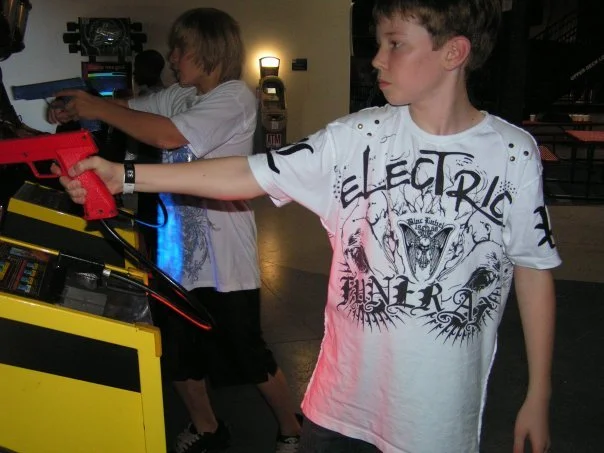
At the same time, I spent countless afternoons at arcades with friends — crowded around cabinets, competing for high scores, and feeding quarters into machines just to stay in the moment. The arcade showed me something powerful:
If I can’t always solve accessibility immediately, can I at least make games more enjoyable?
That environment taught me that enjoyment comes from clarity, feedback, energy, and shared experience.
Between wanting to include my dad and wanting to recreate the joy of the arcade, I found my direction — UX design, game feel, and technical systems built to bring people in.
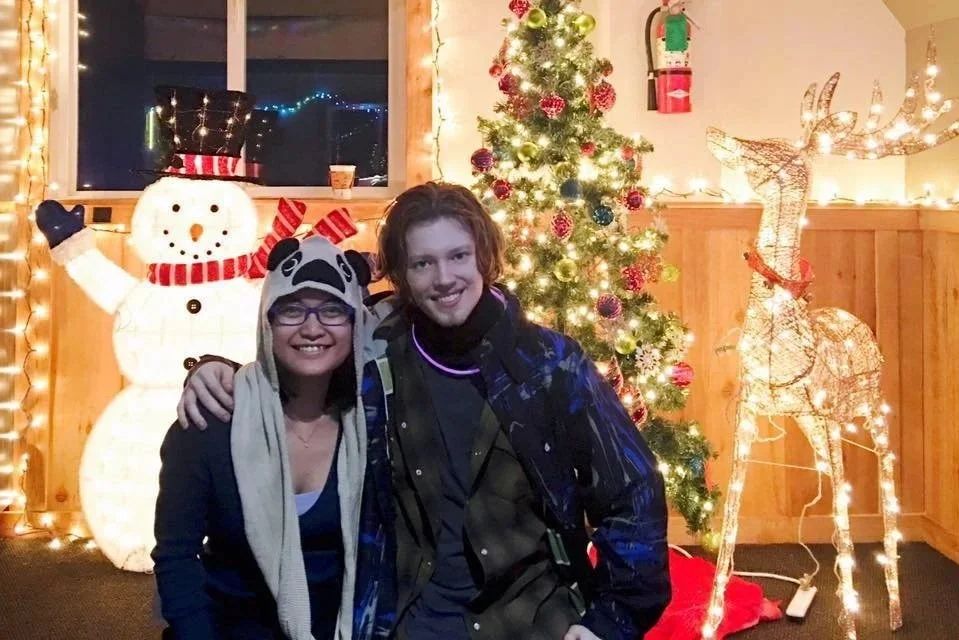
I began my formal education at Saddleback Community College and Irvine Valley College.
There, I:
Prototyped and iterated on card games, board games, and toys
Learned Python and worked with Arduino boards
Built foundational design-thinking and iteration skills
This phase strengthened my understanding that games are systems — and that iteration is everything.
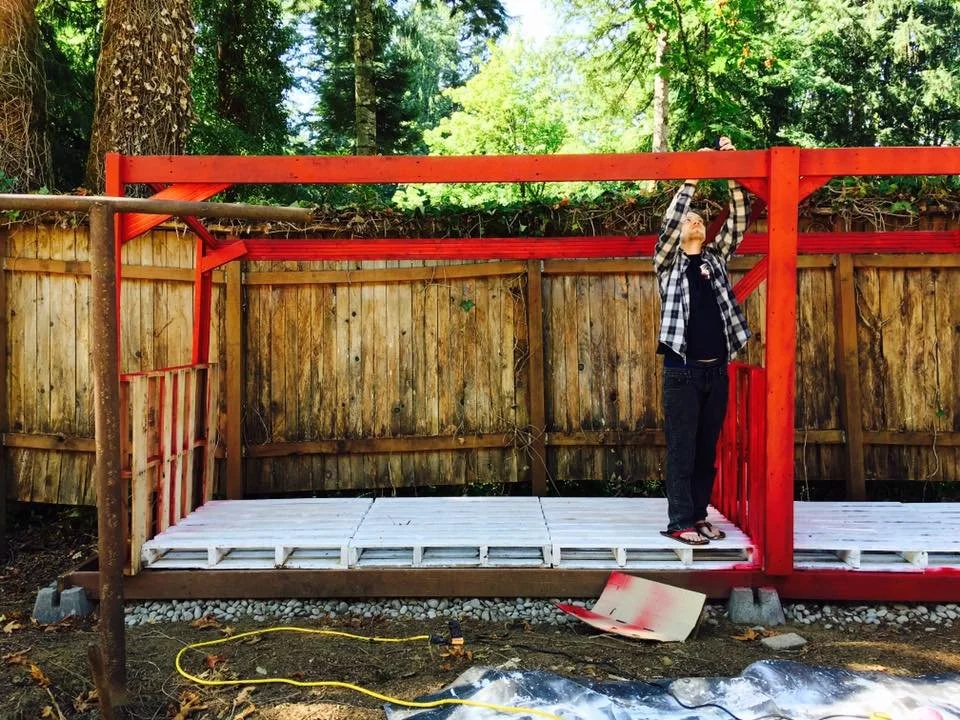
While in Oregon, I actively participated in public game jams with the Portland Indie Game Squad (PIG Squad).
These experiences taught me:
How to work within multidisciplinary teams
How to collaborate across tech, art, and design
What it means to be dependable in production
How creative innovation thrives in team environments
This phase solidified my love for collaborative game development.
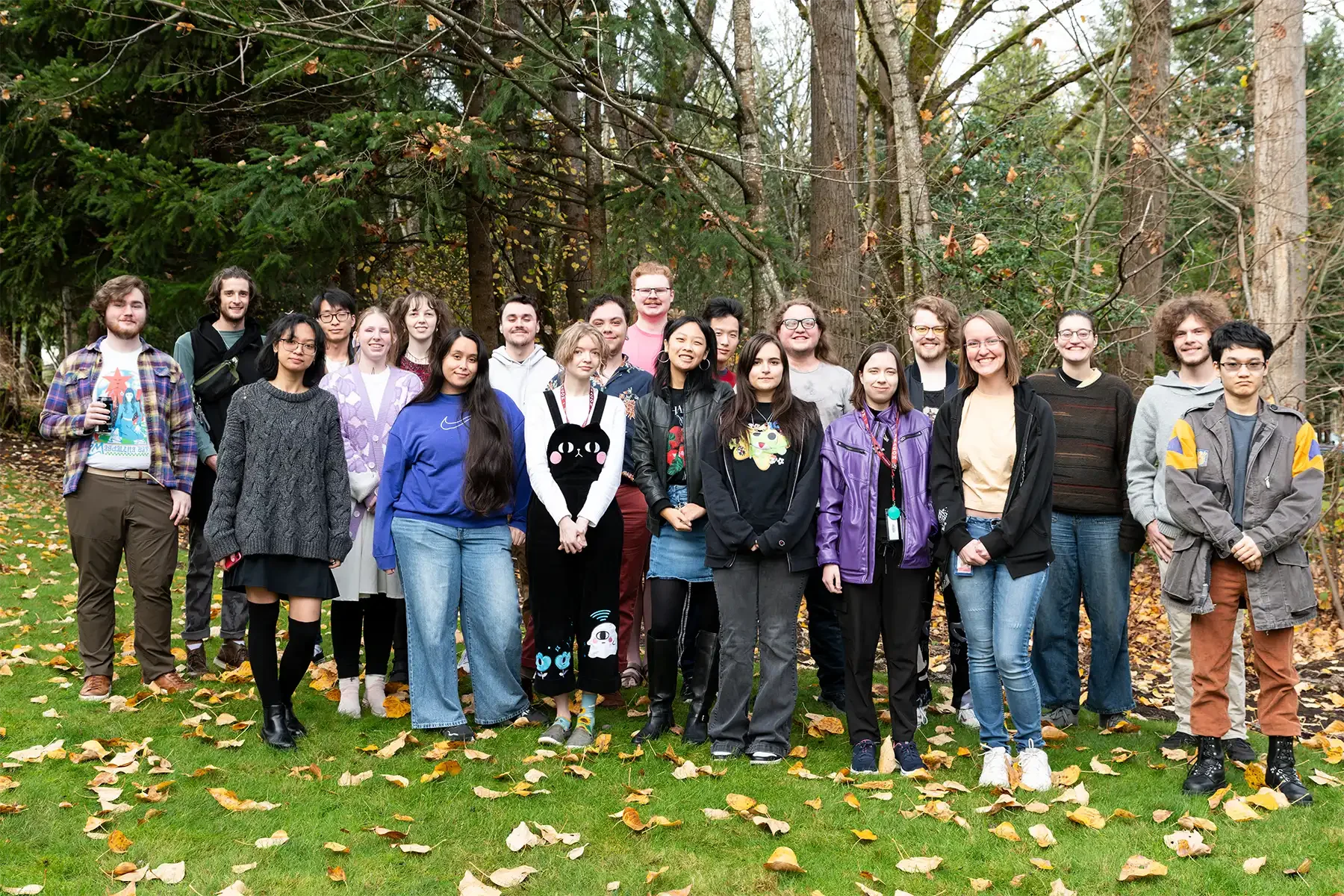
After high school, I stood at a crossroads. I could pursue a stable, predictable career path — like nursing, following my fiancée — or I could chase the uncertainty of game development.
With strong support from my fiancée, family, and friends, I chose to pursue games.
That decision set the direction for my academic and professional life.
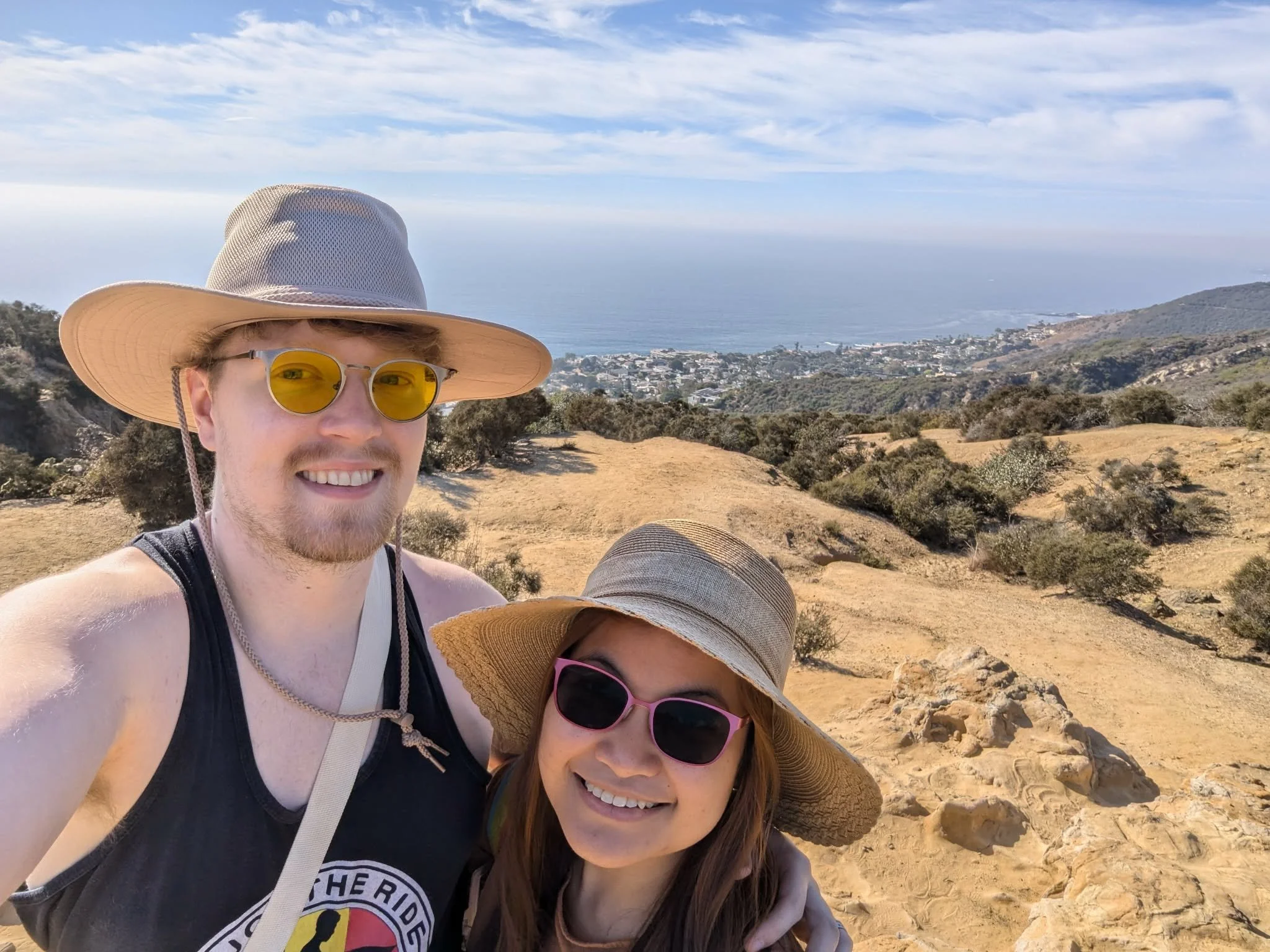
I continued my education at Mt. Hood Community College, earning an Associate of Applied Science in Computer Game Development.
During this time, I:
Learned Autodesk Maya and Adobe Photoshop
Built projects in Unity and Unreal Engine 4
Deepened my understanding of production pipelines and iterative development
To help support myself financially while in school, I also started chopping, drying, and selling firewood to the community in Brightwood, Oregon. It wasn’t glamorous — but it reinforced discipline, consistency, and the understanding that building something valuable takes time, process, and follow-through.
This period was where my technical and design skills began to merge — and where I learned that persistence, whether in development or life, compounds.
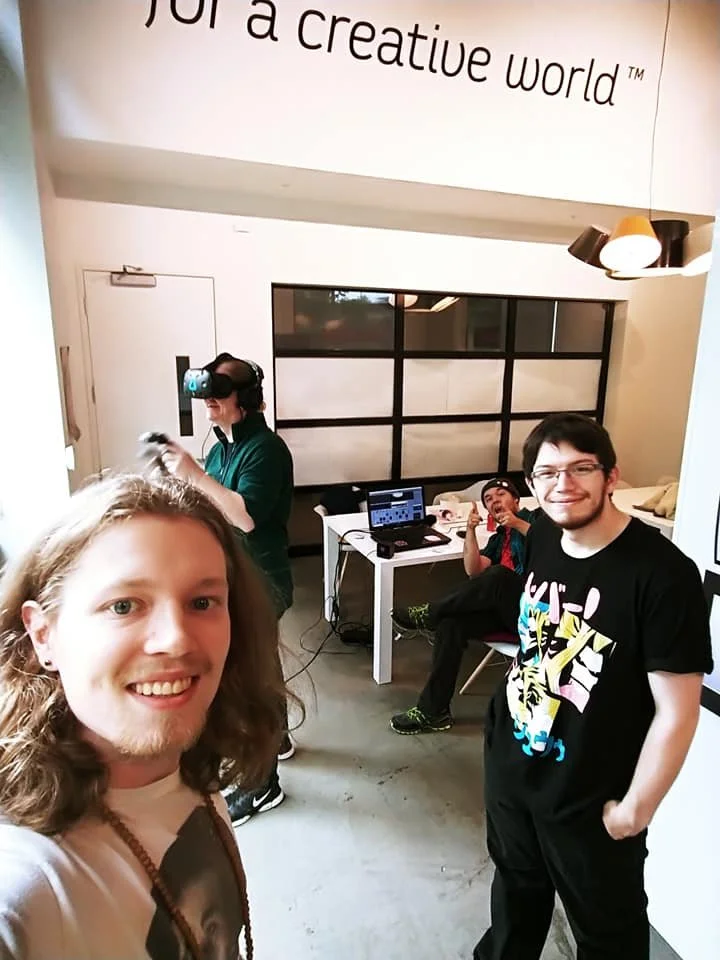
Now a senior at DigiPen, I’ve:
Released two games on Steam
Led a 30-person multidisciplinary team toward a public Steam launch
Secured feature placement at the Washington State Gaming Expo
Spearheaded our Steam page launch and wishlist strategy
Continued deepening my expertise in UX design, technical systems, and production leadership
At my core, I am a UX designer with refined technical design skills — someone who thinks in player experience first, but builds systems that make that experience real. Over time, I’ve also grown to love production: fitting team members together like puzzle pieces, aligning strengths, and creating structures where designers, engineers, and artists can thrive together.
My journey has been shaped by accessibility, collaboration, and persistence. I’m excited to bring that UX-driven, technically grounded, team-centered leadership into the professional game industry.