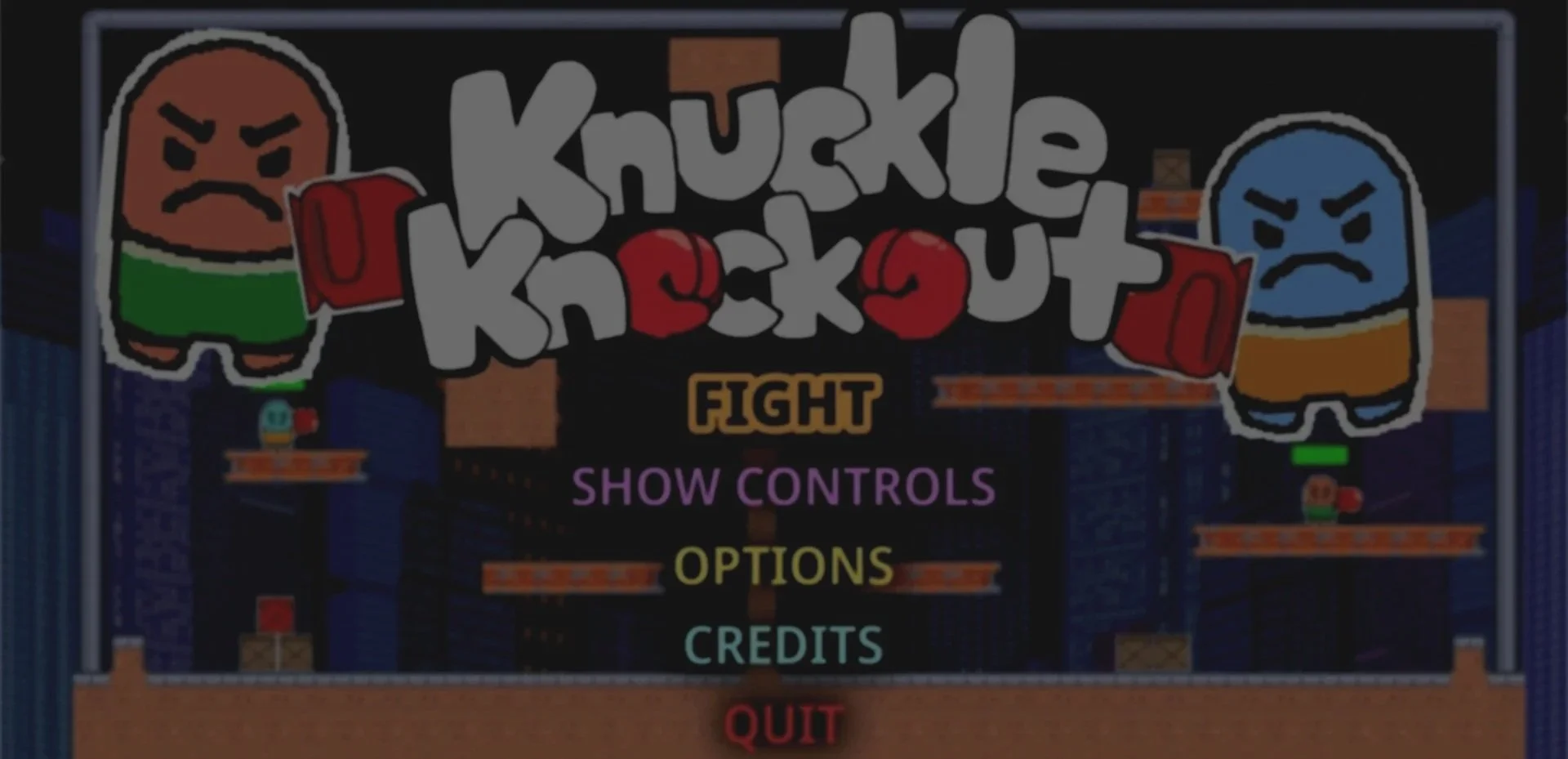
Knuckle Knockout
─── • ───
In multi-discipline production, indecision compounds quickly. I make informed calls, communicate the reasoning clearly, and move the team forward, refining direction when stronger insight demands it.
✦
Workload sustainability, communication tone, and morale are controllable production variables that directly shape quality and delivery.
✦︎
Does this decision improve the player experience enough to justify its cost in scope, time, or team capacity?
✦︎
・・・・・・・・・・・・・・・・・・・
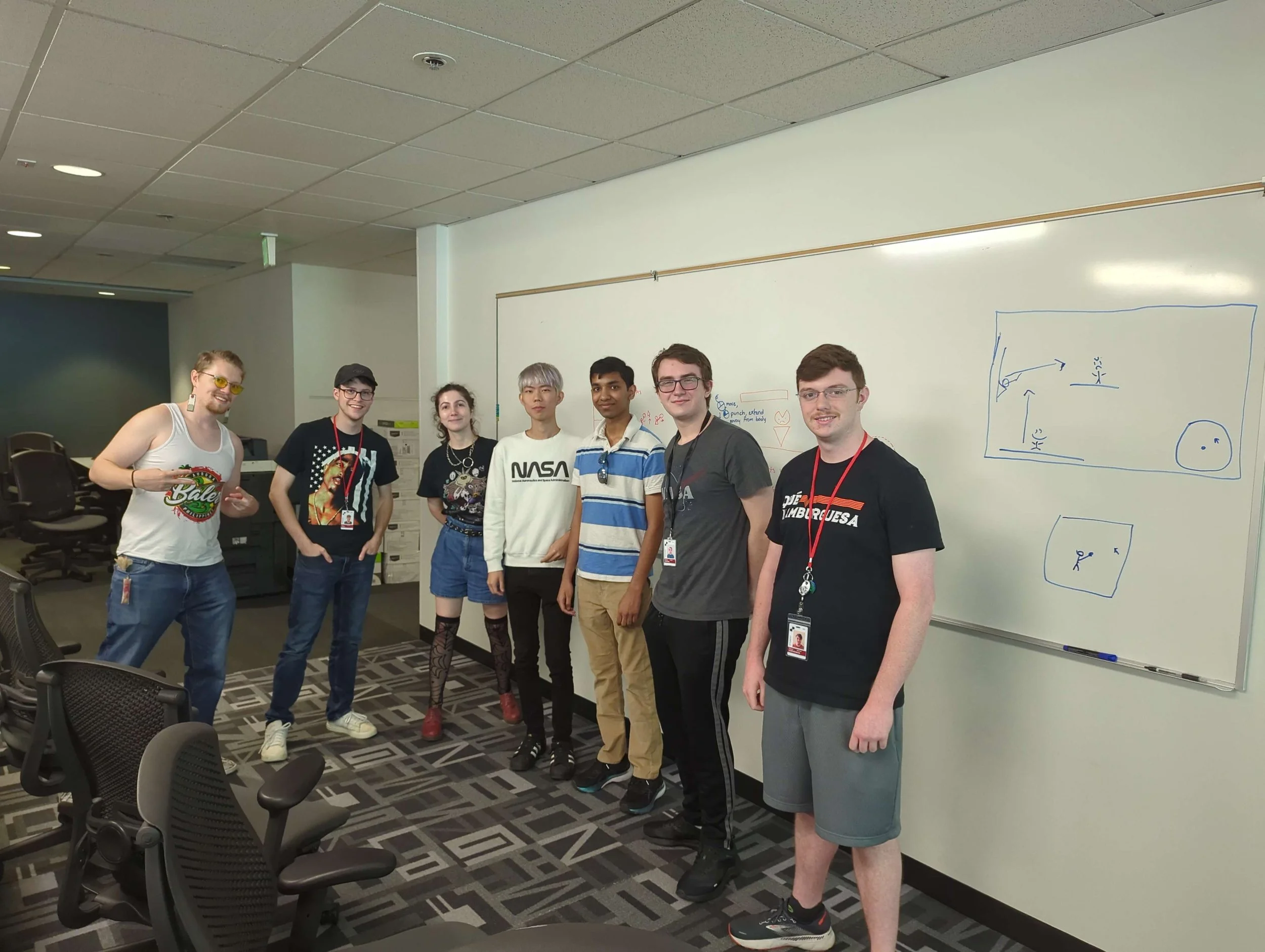
The project required coordinating designers prototyping gameplay and UX while engineers simultaneously developed a custom engine.
─── • ───
I structured the pipeline so design experimentation could continue without blocking engineering progress, allowing both tracks to inform each other rather than compete for development time.
─── • ───
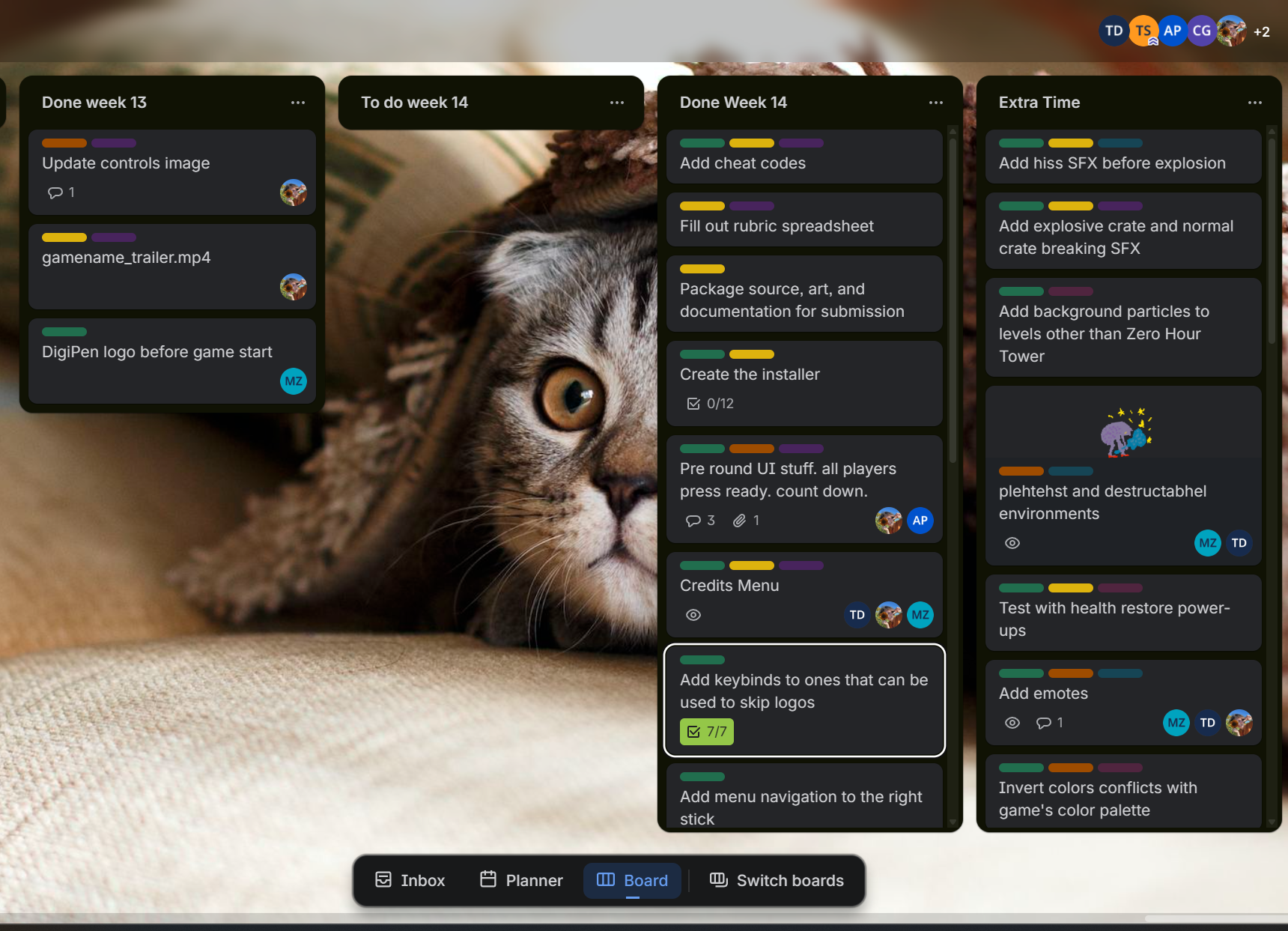
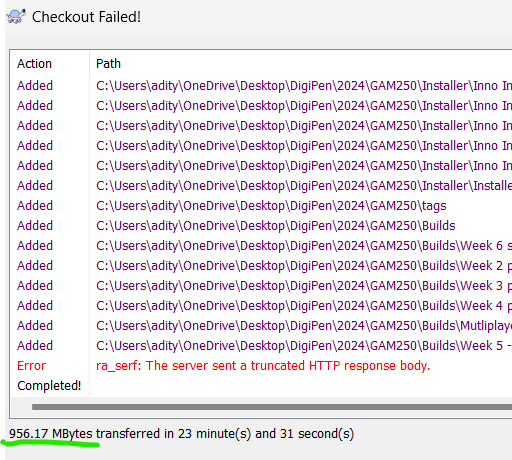
Centralizing assets, builds, and documentation through SVN ensured every contributor had access to the latest prototypes, engine changes, and project materials.
・・・・・・・・・・・・・・・・・・・
How did I coordinate design prototyping with engineers building a custom engine simultaneously?
⌜
⌞
⌝
⌟
●
●
●
●
●
●
・・・・・・・・・・・・・・・・・・・
Two team members departed during early development, reducing the project below DigiPen’s minimum team size requirement and placing the team at risk of dissolving.
─── • ───
I assembled a formal production review with the curriculum leads overseeing DigiPen’s team projects, presenting documentation demonstrating that the remaining team could realistically execute the concept.
─── • ───
By clearly outlining scope, remaining skill coverage, and milestone structure, I secured approval for the team to continue development rather than disbanding.
・・・・・・・・・・・・・・・・・・・
How did I keep the project alive after the team fell below DigiPen’s required minimum team size?
⌜
⌞
⌝
⌟
●
●
●
●
●
●
・・・・・・・・・・・・・・・・・・・
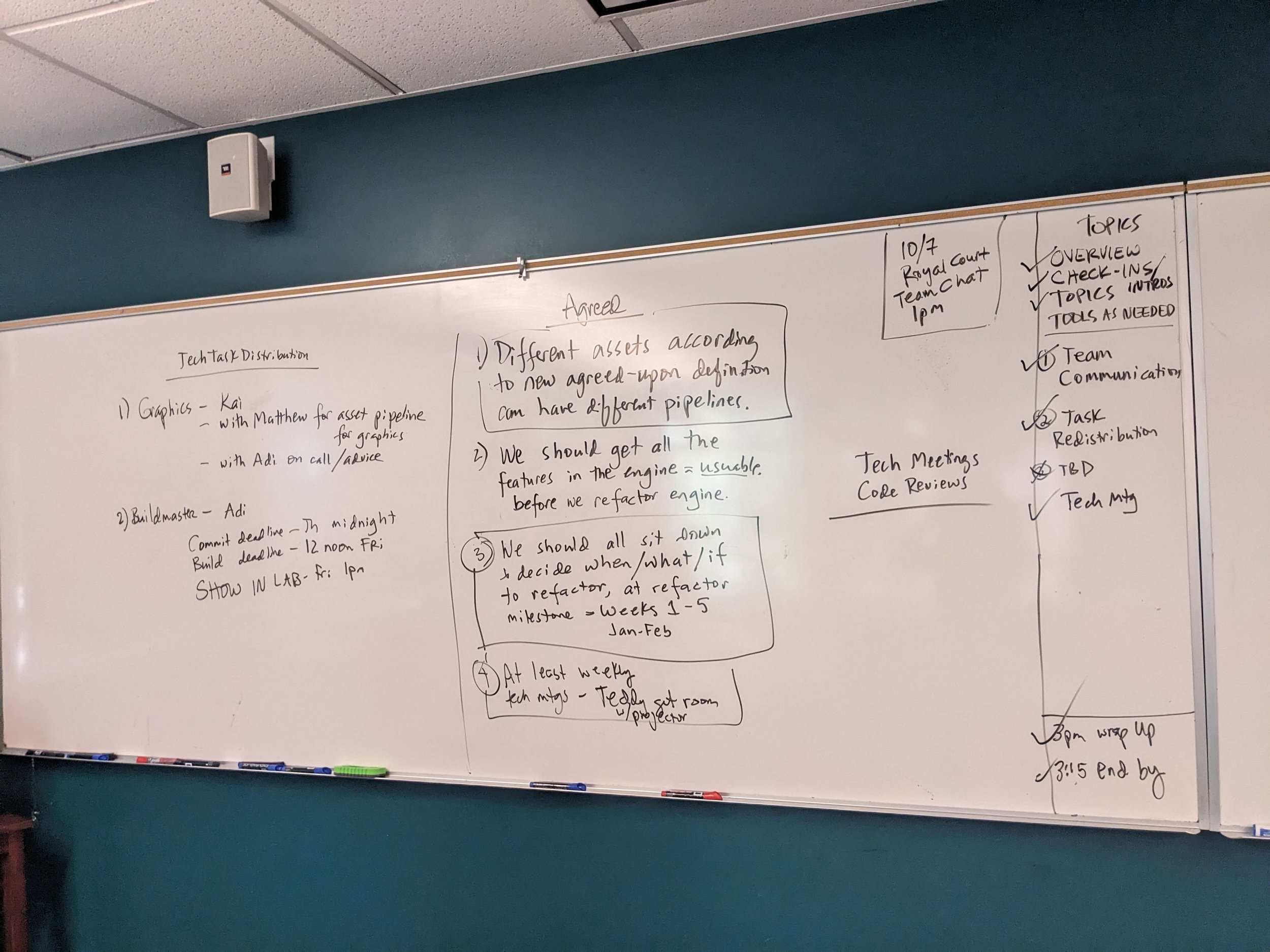
Two engineers held opposing philosophies toward implementation speed versus code structure, creating friction that risked fragmenting the engineering workflow.
─── • ───
I introduced bi-weekly alignment meetings focused on communication style, implementation compromise, and surfacing tensions before they disrupted development.
─── • ───
These meetings stabilized collaboration between the engineers while allowing both approaches to coexist within the broader production timeline.
・・・・・・・・・・・・・・・・・・・
How did I prevent engineering philosophy conflicts from destabilizing the team?
⌜
⌞
⌝
⌟
●
●
●
●
●
●
・・・・・・・・・・・・・・・・・・・
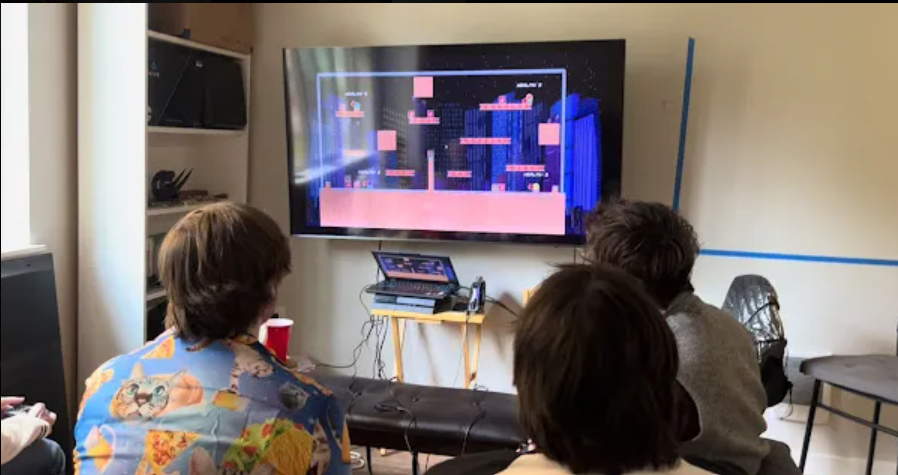
Engine development risks wasting engineering effort if gameplay requirements are unclear.
─── • ───
I structured sprint discussions so designers communicated upcoming gameplay needs before engineering implementation began.
─── • ───
This ensured engine functionality was developed in response to real gameplay requirements rather than speculative systems.
・・・・・・・・・・・・・・・・・・・
How did I prevent engineering effort from being spent on unnecessary systems?
⌜
⌞
⌝
⌟
●
●
●
●
●
●
・・・・・・・・・・・・・・・・・・・
Small teams cannot afford communication drift. I established a predictable meeting structure that kept every discipline aligned week to week.
─── • ───
I scheduled and facilitated weekly standups where each contributor surfaced progress, blockers, and immediate needs.
─── • ───
These standups created a consistent production rhythm, allowing the team to react quickly while keeping sprint goals visible to everyone.
・・・・・・・・・・・・・・・・・・・
How did I establish a consistent communication rhythm across design and engineering?
⌜
⌞
⌝
⌟
●
●
●
●
●
●