

The Princess’s Dragon
⋆༺𓆩⚔𓆪༻⋆
The Princess’s Dragon is a 2D top-down adventure dungeon crawler built in Unity.
𓆩❤︎𓆪
My work focused on clarity, accessibility, and emotional engagement, ensuring every mechanic felt discoverable, rewarding, and connected to the player’s journey.
𓆩❤︎𓆪
I led UX and tutorial design, building a flow that teaches through interaction and feedback—using contextual prompts and environmental cues (like chests and visual signifiers) to guide players to essentials.
𓆩❤︎𓆪
I implemented the combat UI and pacing inspired by Pokémon’s turn-based structure to ensure encounters felt strategic and readable.
⋆༺𓆩⚔𓆪༻⋆
Play The Princess’s Dragon on Steam!
Animations for Combat
I designed enemy animation and combat feedback around readability through motion, using timing, rhythm, and expressive movement to communicate intent without relying on heavy UI. Rather than treating attacks as purely mechanical, I used animation as visual storytelling, giving each enemy a distinct personality and emotional presence. Inspired by Pokémon Yellow, repeated encounters became moments of recognition, anticipation, and connection, allowing players to read combat through behavior instead of instruction.
⋆༺𓆩⚔𓆪༻⋆
Process
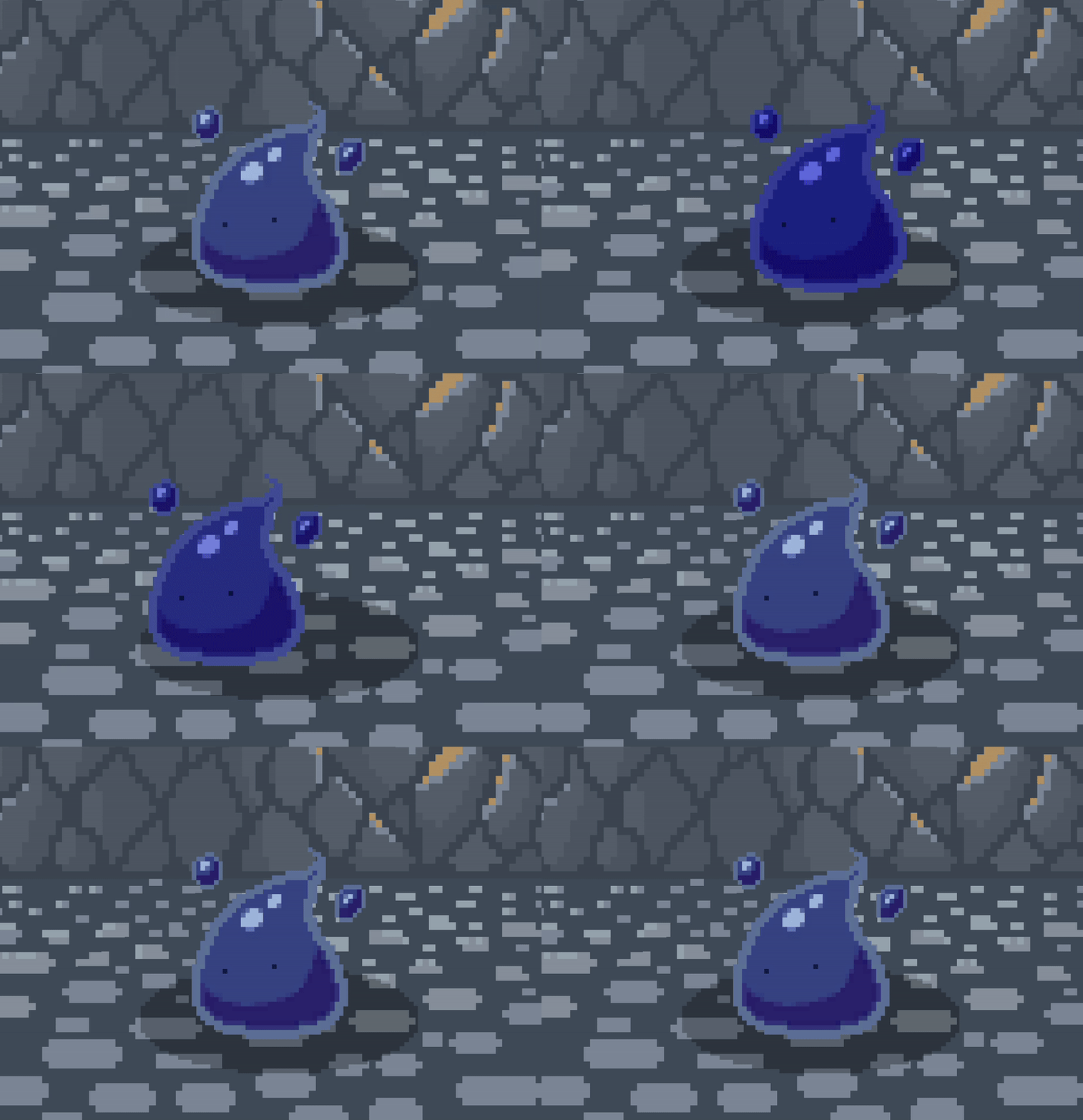
Droplet attack animation
【How could combat communicate intent without relying on explicit UI cues?】
𓆩❤︎𓆪
Grounded combat feedback in motion, anticipation, and timing, allowing players to read attacks through body language and animation rather than icons or prompts.
。°𓆩°。༺ ♔ ༻。°𓆪°。
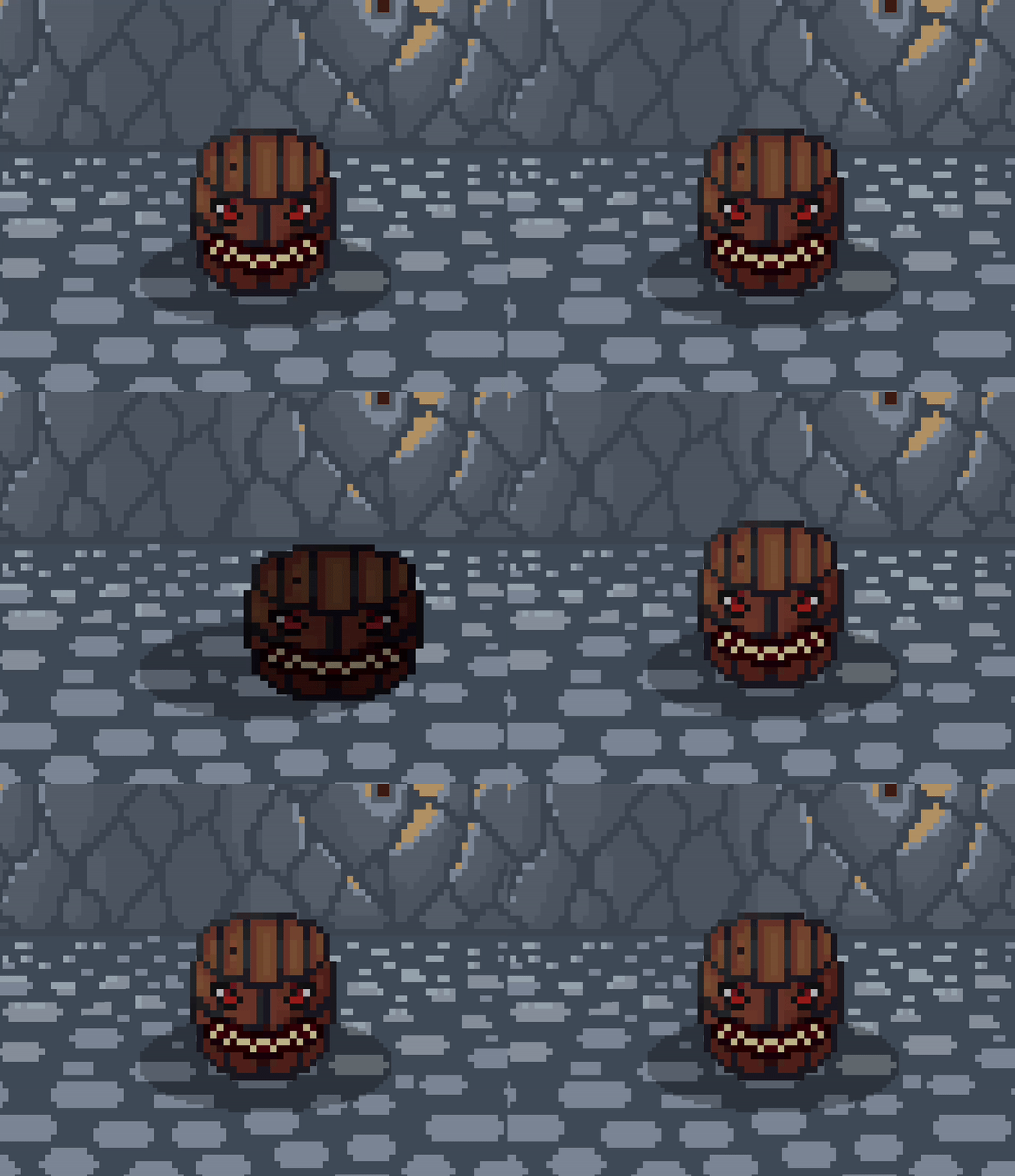
Mimic attack animation
【How could each enemy feel distinct and expressive rather than repetitive?】
𓆩❤︎𓆪
Designed unique move sets and attack animations tailored to each enemy’s temperament and behavior, ensuring encounters felt rhythmically and emotionally
。°𓆩°。༺ ♔ ༻。°𓆪°。
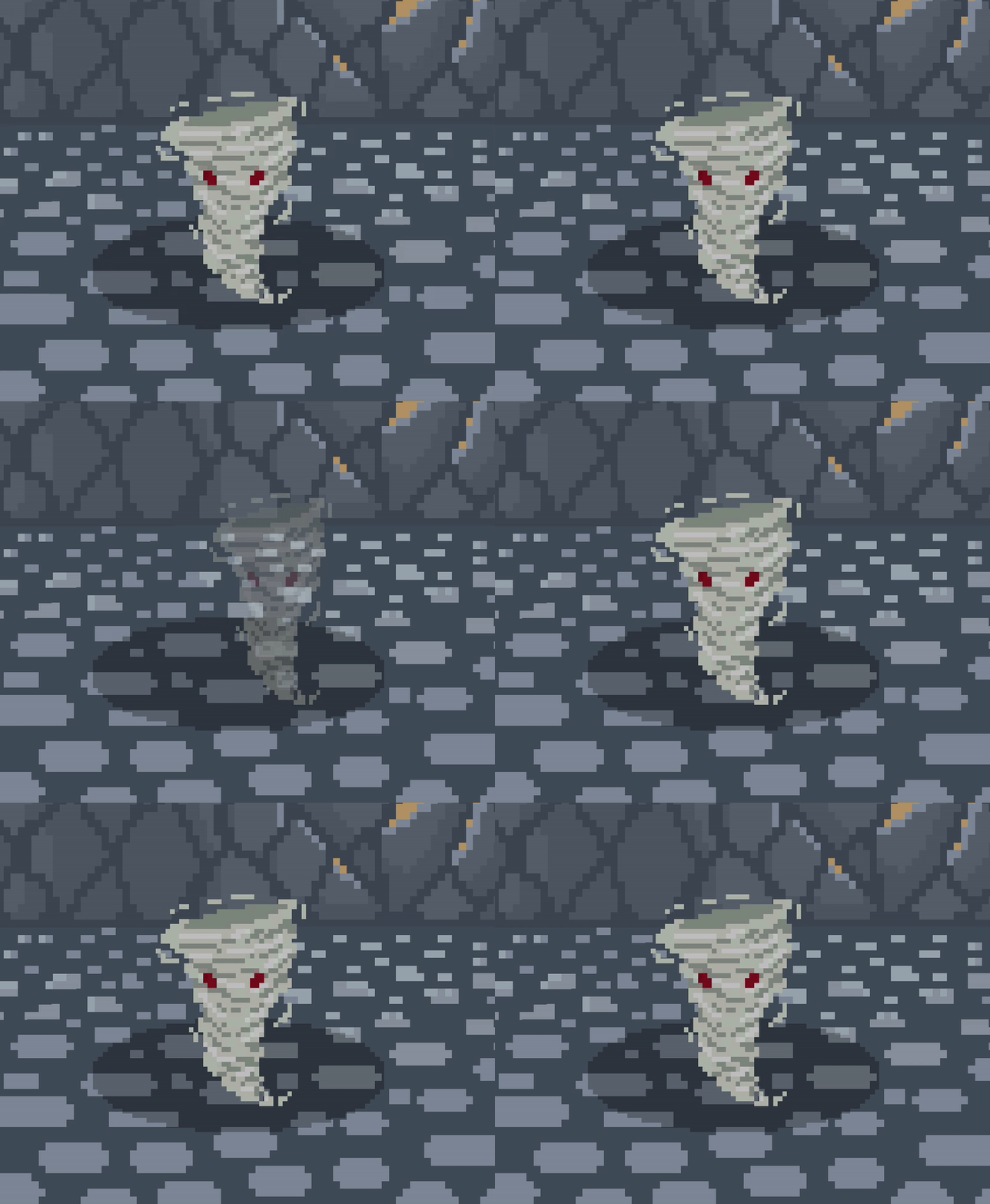
Twister attack animation
【How could feedback enhance engagement during repeated encounters?】
𓆩❤︎𓆪
Refined animation speed, impact, and timing through playtesting, reinforcing character identity and emotional clarity so combat felt responsive, expressive, and intentional.
。°𓆩°。༺ ♔ ༻。°𓆪°。
Tutorialization
I designed The Princess’s Dragon’s tutorial around learning through interaction, balancing player discovery with clear, timely feedback. Instead of relying on overt tutorials, I used environmental signifiers, such as chest placement, to guide attention toward key resources while preserving flow and immersion. Inspired by The Legend of Zelda and Pokémon, I created onboarding moments that reinforced purpose, readiness, and strategic clarity through emotion-driven feedback and readable design.
⋆༺𓆩⚔𓆪༻⋆
Process
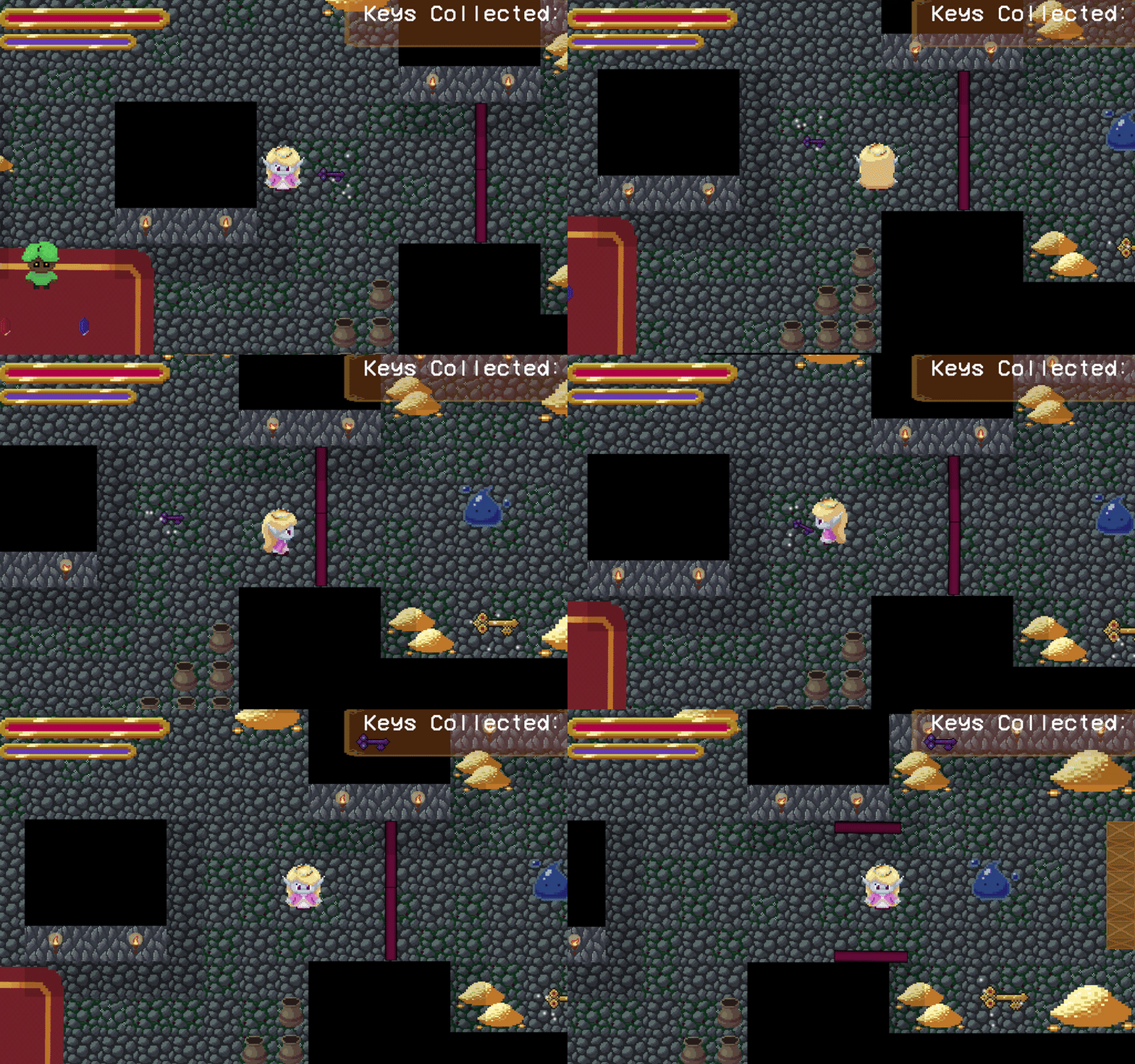
Key and door tutorial
【How could tutorialization teach mechanics without interrupting player discovery?】
𓆩❤︎𓆪
Framed tutorialization around environmental cues and player-driven exploration, allowing mechanics to be learned naturally through interaction rather than explicit instruction.
。°𓆩°。༺ ♔ ༻。°𓆪°。
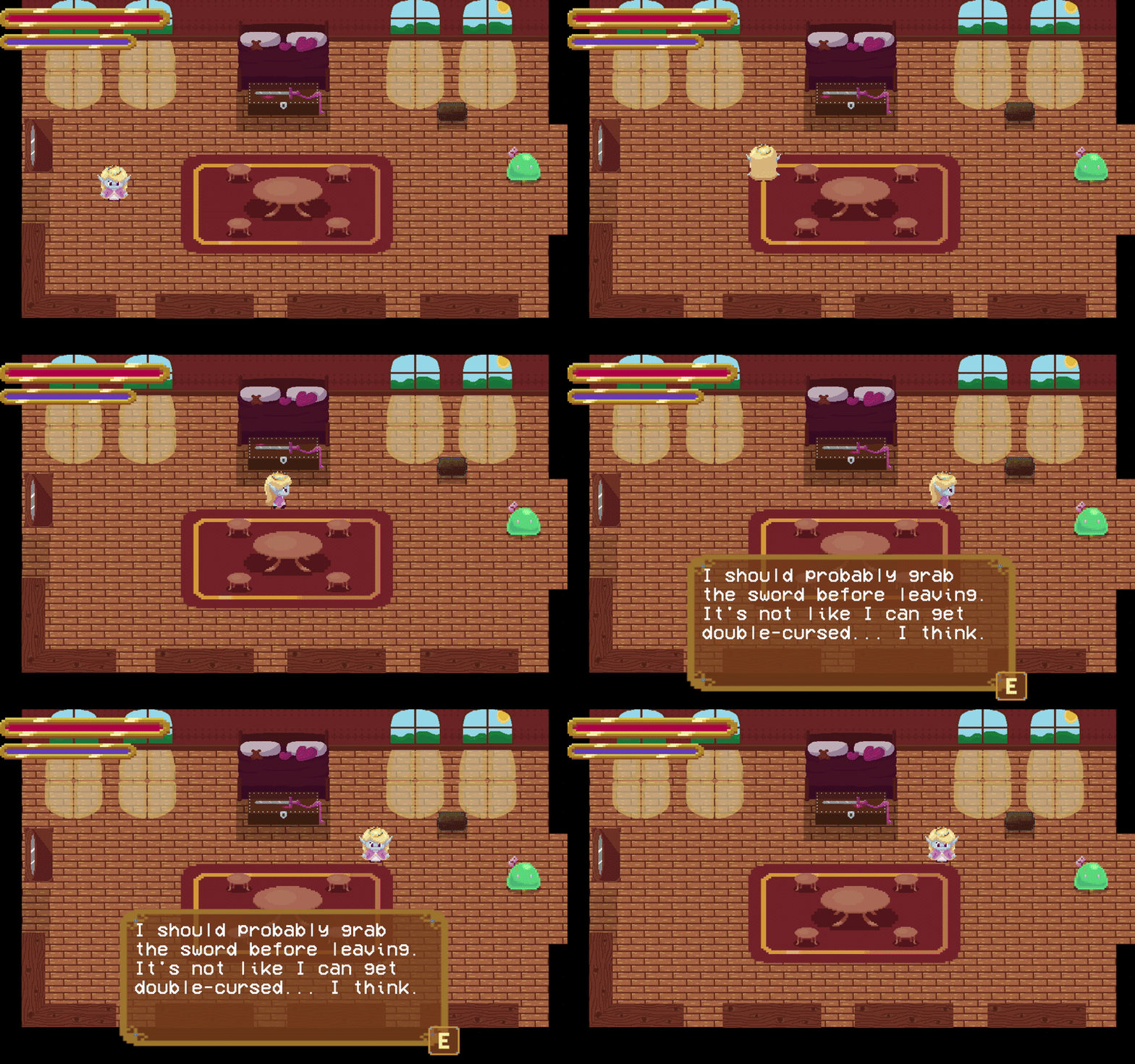
Equipment tutorial
【How could attention be guided while maintaining immersion and flow?】
𓆩❤︎𓆪
Used intentional chest placement and spatial composition to draw player focus toward essential resources using color and partical effects, guiding behavior without breaking narrative or pacing.
。°𓆩°。༺ ♔ ༻。°𓆪°。
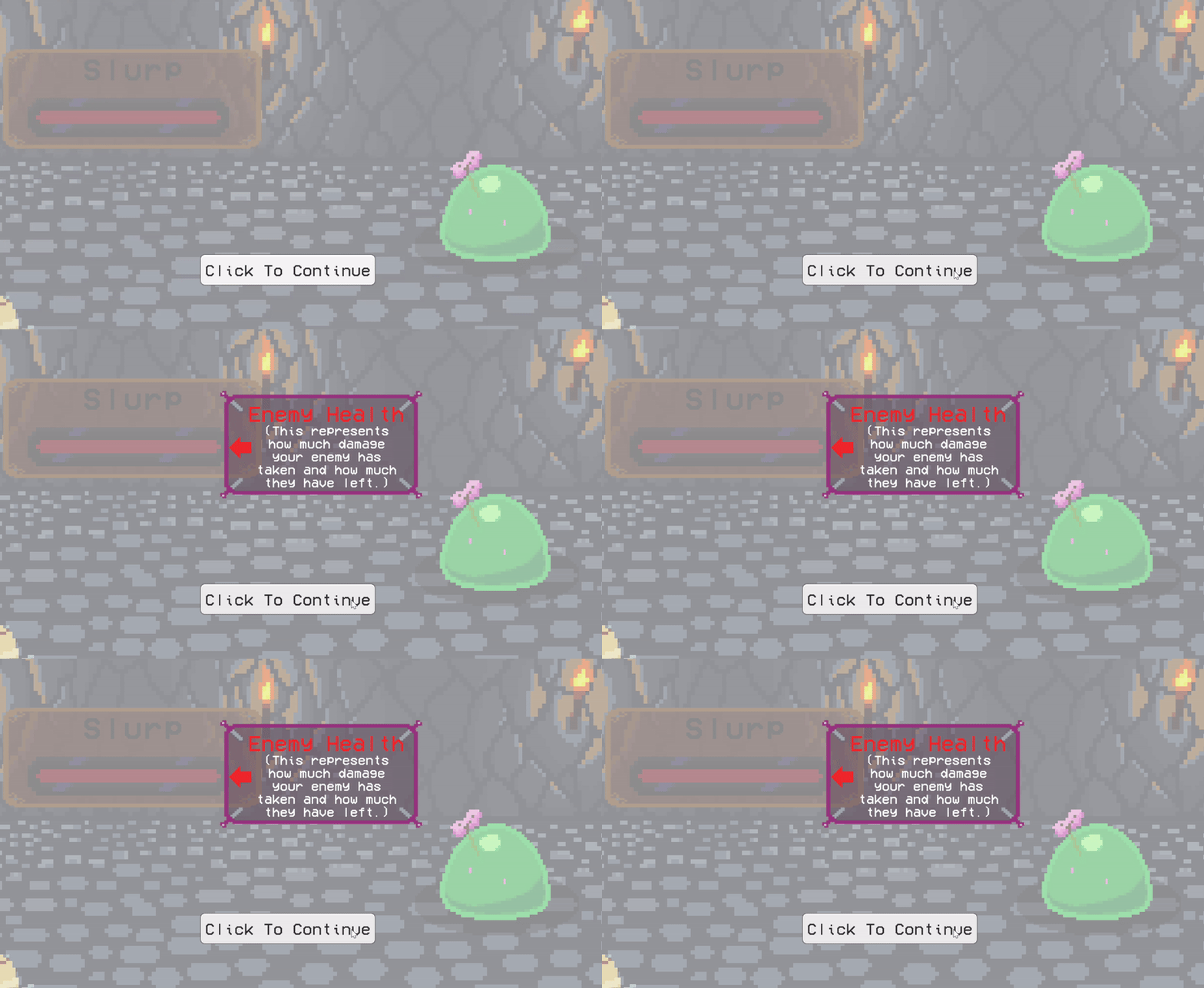
Combat Tutorial
【How could early combat feel readable and purposeful without overwhelming new players?】
𓆩❤︎𓆪
Refined the combat tutorial flow through playtesting, balancing timing, clarity, and emotional feedback so players entered turn-based encounters feeling prepared and confident rather than rushed.
。°𓆩°。༺ ♔ ༻。°𓆪°。
I collaborated with another designer to build an optional narrative experience centered on Romain, a recurring character designed to reward player curiosity and engagement. My UX focus was on when and how players encountered him, ensuring each interaction felt intuitive, discoverable, and emotionally meaningful. By mapping his appearances across the player’s journey, I created natural pacing and progressive feedback, reinforcing exploration as a player-driven reward rather than a required path.
⋆༺𓆩⚔𓆪༻⋆
UX Game Feel
Process
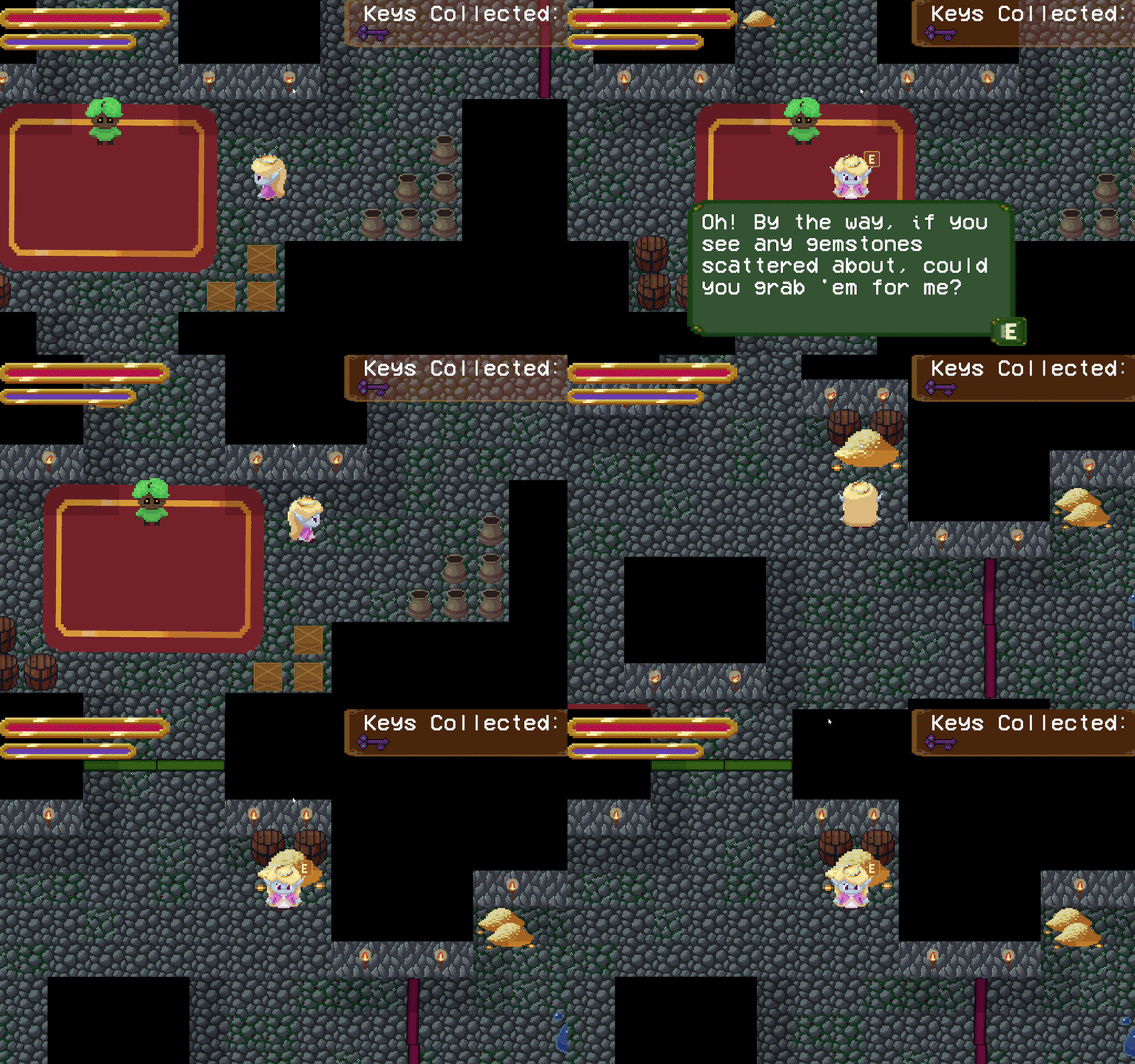
Optional Narrative
【How could optional narrative content feel rewarding without becoming missable or confusing?】
𓆩❤︎𓆪
Designed Romain’s encounters to be discoverable through exploration, allowing narrative engagement to remain optional while still feeling intentional and accessible.
。°𓆩°。༺ ♔ ༻。°𓆪°。
Particle signifiers
【How could curiosity be guided without explicit direction?】
𓆩❤︎𓆪
Used spatial composition and visual cues to subtly guide player attention, encouraging discovery without breaking immersion or narrative flow.
。°𓆩°。༺ ♔ ༻。°𓆪°。
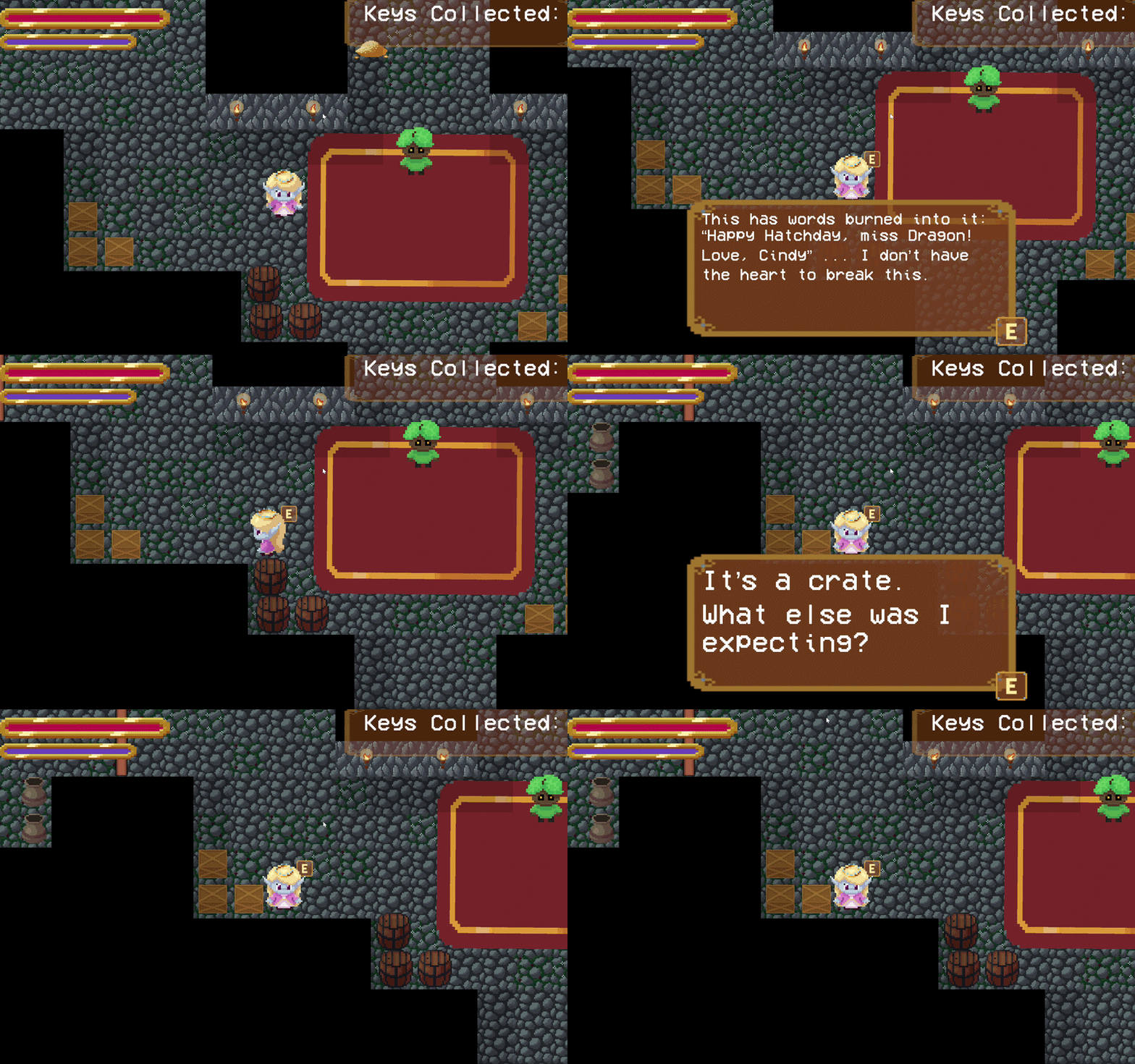
Interaction feel
【How could interaction feel natural?】
𓆩❤︎𓆪
Structured dialogue triggers around player proximity, approach angle, and progression state so conversations began only when players intentionally engaged, avoiding accidental activation and preserving a sense of choice.
。°𓆩°。༺ ♔ ༻。°𓆪°。