

Eyes Of The Forest
· · ──── ·𖥸· ──── · ·
My work centered on creating intuitive, story-driven interactions that make the world feel alive and responsive to the player’s actions.
⟡
Eyes of the Forest is a third-person stealth game where players control a small mouse hiding from predatory birds in a haunting post-critter-folk forest.
⟡
Drawing inspiration from Assassin’s Creed and The Last of Us, I led UX design and UI implementation, focusing on camera systems, diegetic menus, and player feedback that enhance immersion and emotional connection.
· · ──── ·𖥸· ──── · ·
✧
Read more about Eyes of the Forest here!
· · ──── ·𖥸· ──── · ·
Dynamic Camera States
I designed and implemented five dynamic camera states, idle, walk, sprint, crouch, and climb, each tuned to reflect player movement and emotional pacing. Smooth interpolation between states improved responsiveness, game feel, and overall immersion.
⟡
Process
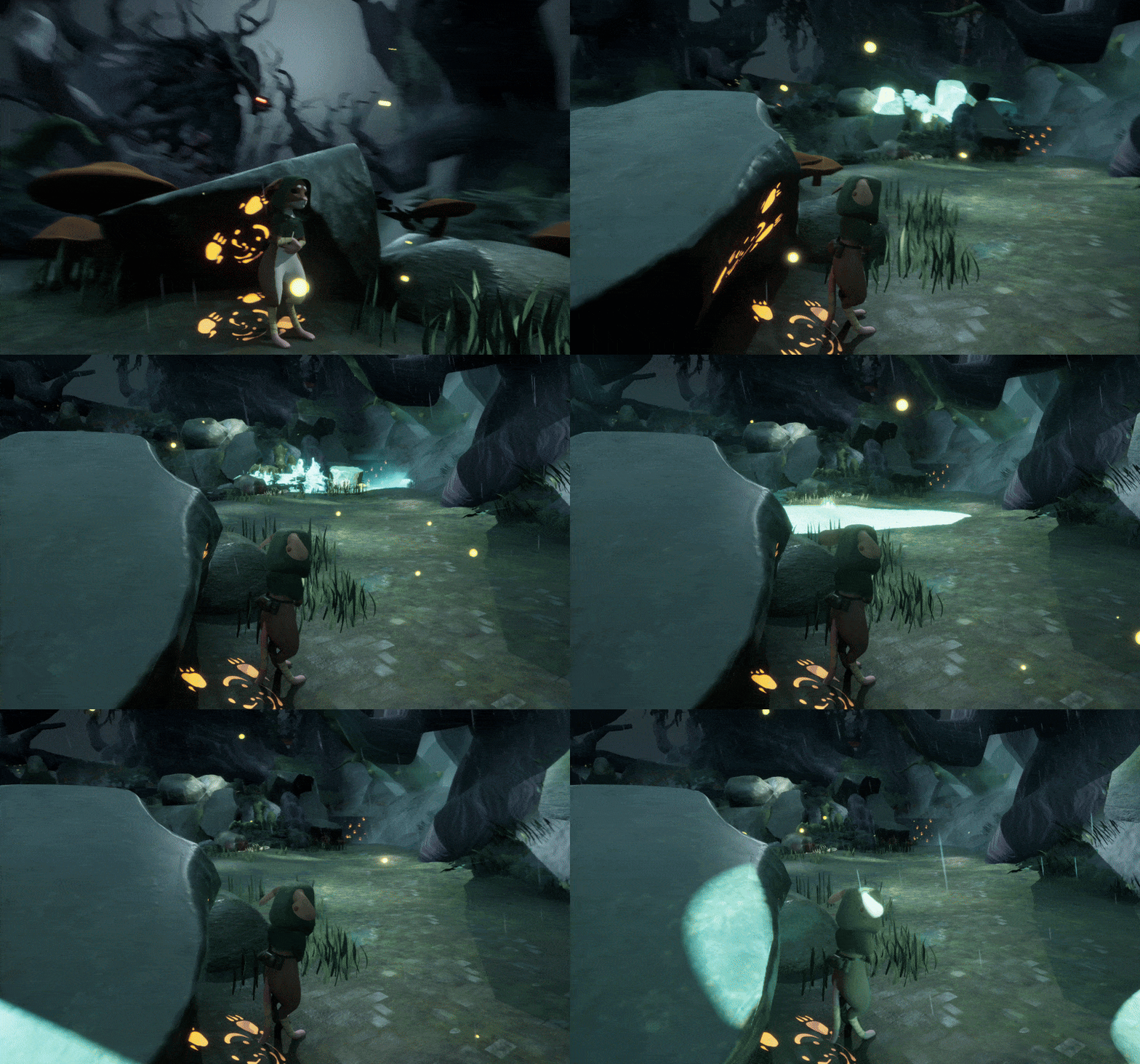
Idle Camera Behavior
【How could camera movement subtly support the player’s feelings instead of simply following input?】
✧
Designed movement-state–driven camera behaviors (idle, walk, sprint, crouch, climb) to reinforce fragility, pacing, and connection to nature.
· · ──── ·𖥸· ──── · ·
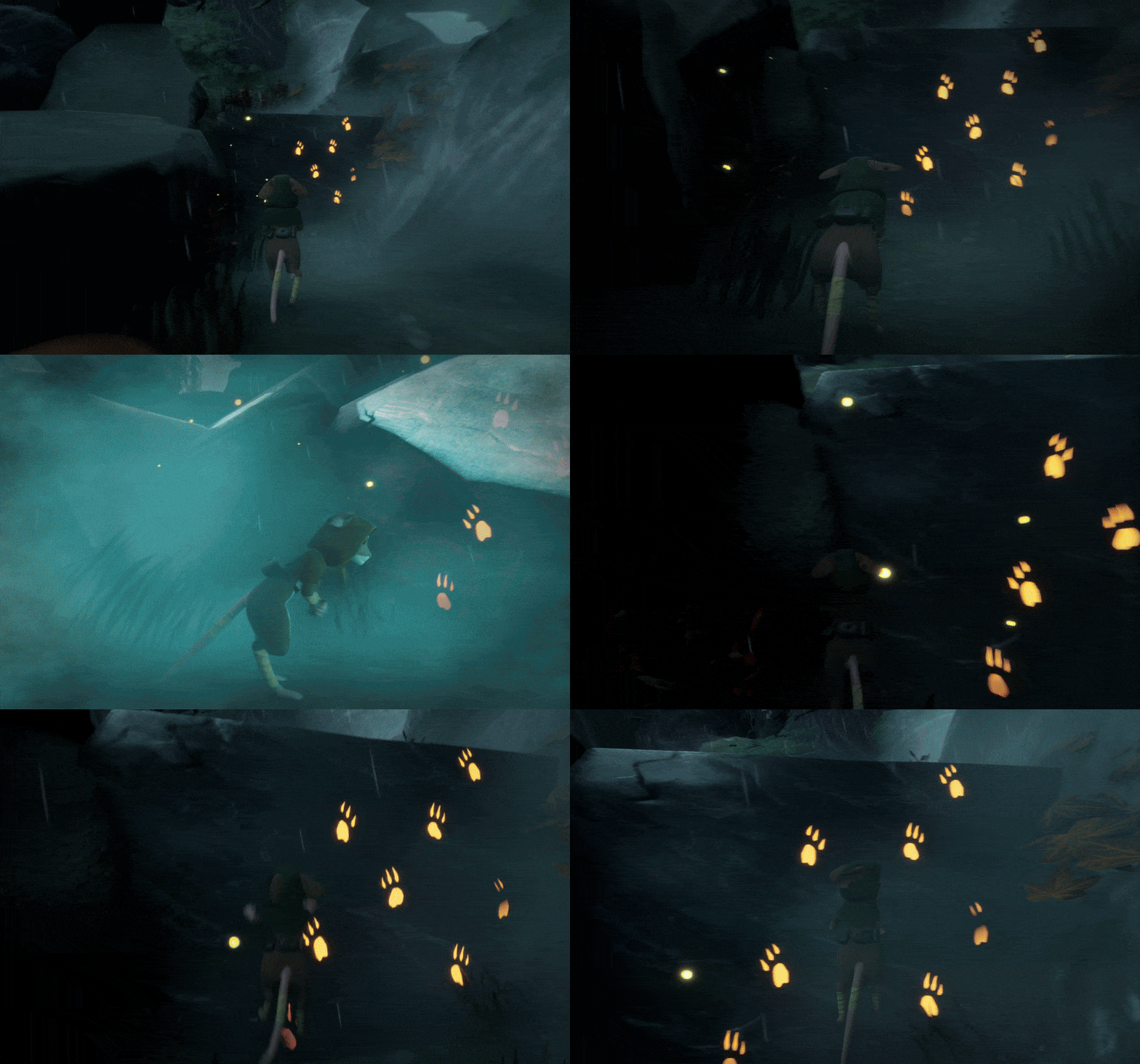
Crouch & Climb Camera Behavior
【How could camera movement subtly support the player’s feelings instead of simply following input?】
✧
Designed movement-state–driven camera behaviors (idle, walk, sprint, crouch, climb) to reinforce fragility, pacing, and connection to nature.
· · ──── ·𖥸· ──── · ·
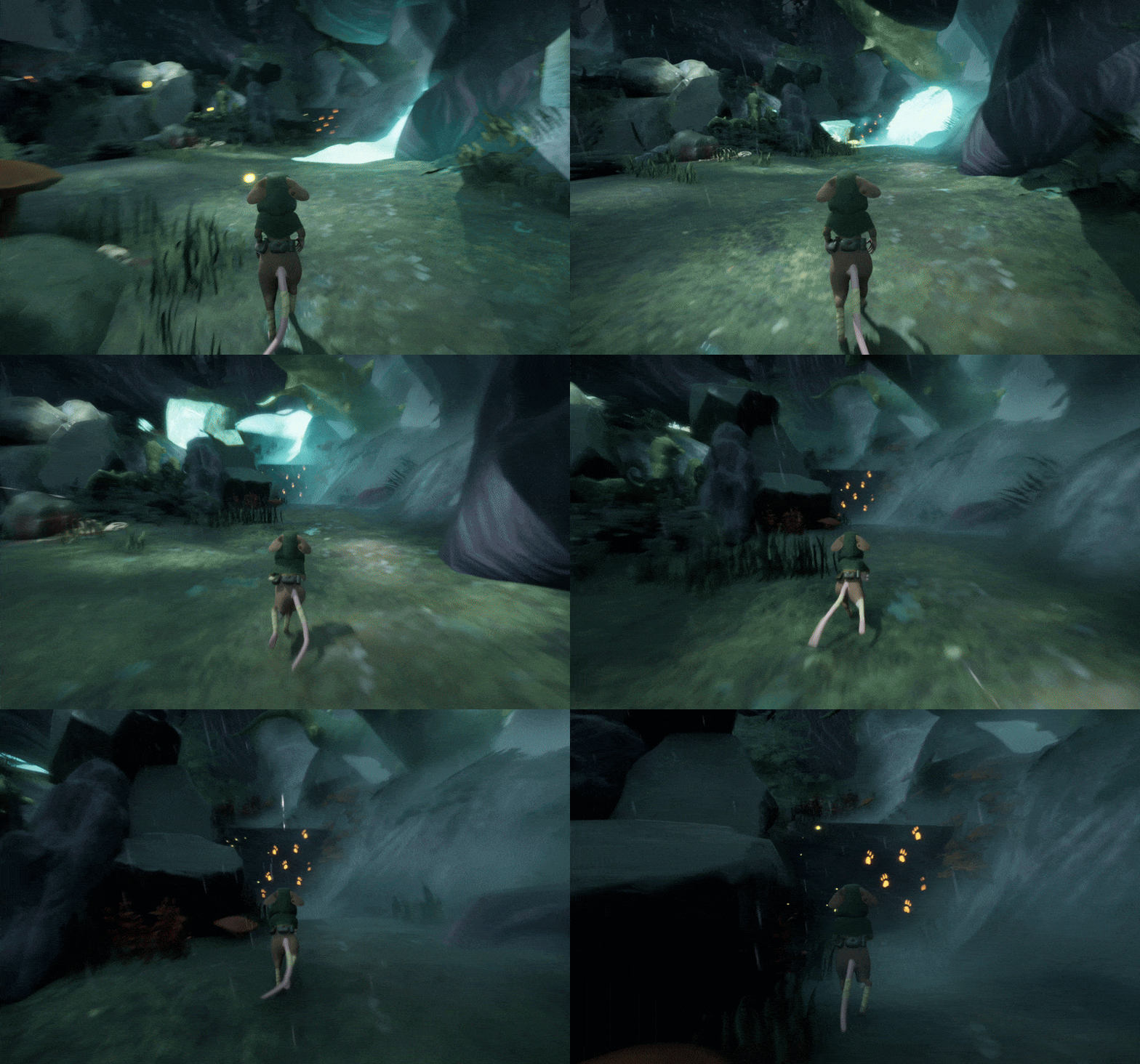
Walk & Sprint Camera Behavior
【How could camera motion communicate player actions without obscuring motion, timing, or control?】
✧
Refined camera motion and shake by iterating on intensity, timing, and smoothing based on playtests to minimize distraction and maintain input clarity.
· · ──── ·𖥸· ──── · ·
Climbing Camera Shake
I designed the climbing camera shake as a storytelling tool, not just a visual effect. The motion synced with each paw grip, reflecting the character’s effort and tension. This grounded players in the character’s fragile perspective, turning motion into emotional feedback that made every climb feel deliberate, vulnerable, and alive.
⟡
Process
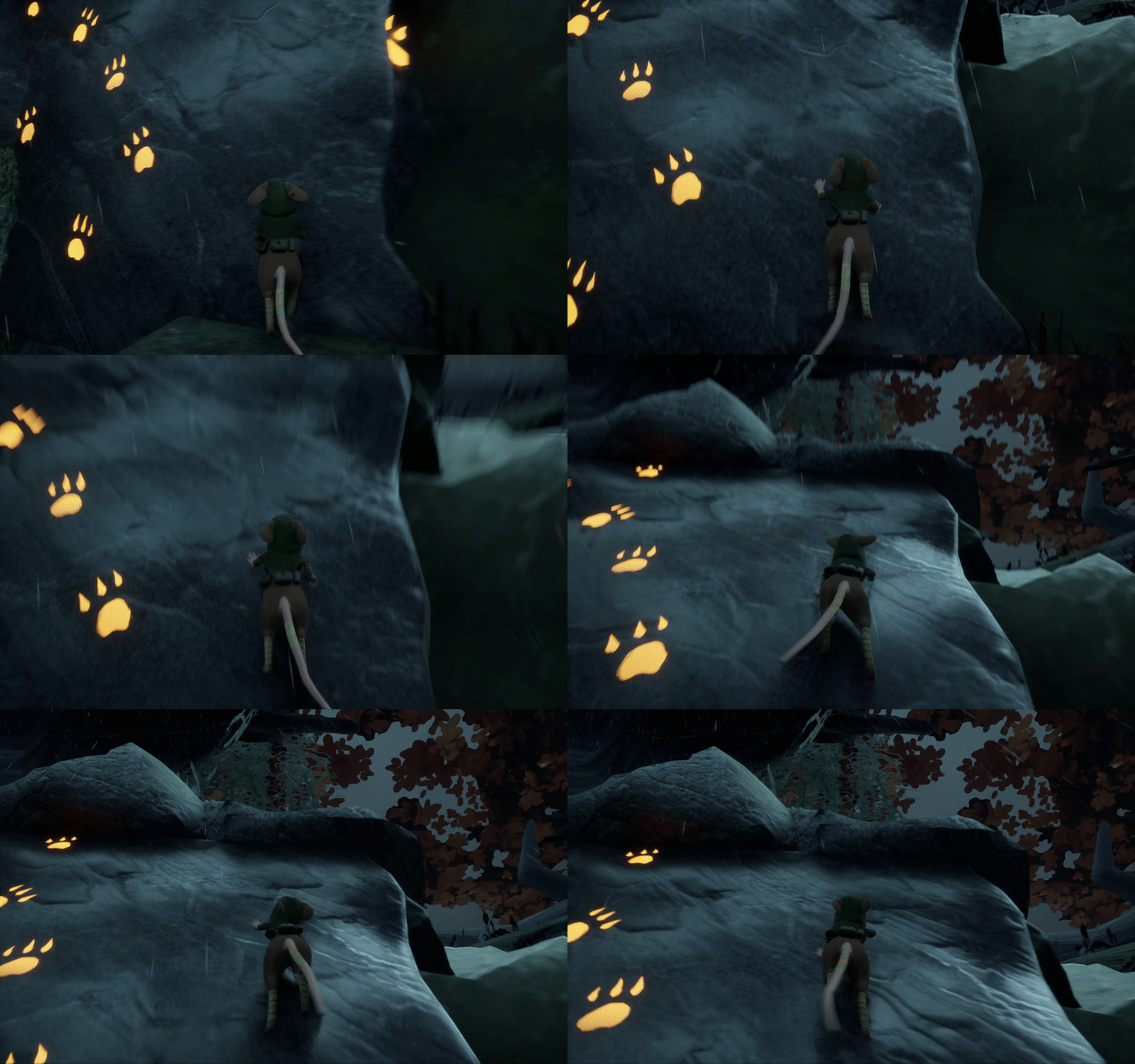
Vertical Climbing Camera Behavior
【How could camera shake reinforce physical action without breaking immersion or control?】
✧
Synchronized shake timing and intensity with each paw grip in the climbing animation cycle, turning motion into tactile feedback that mirrored the character’s exertion and made each movement feel intentional and weighty.
· · ──── ·𖥸· ──── · ·
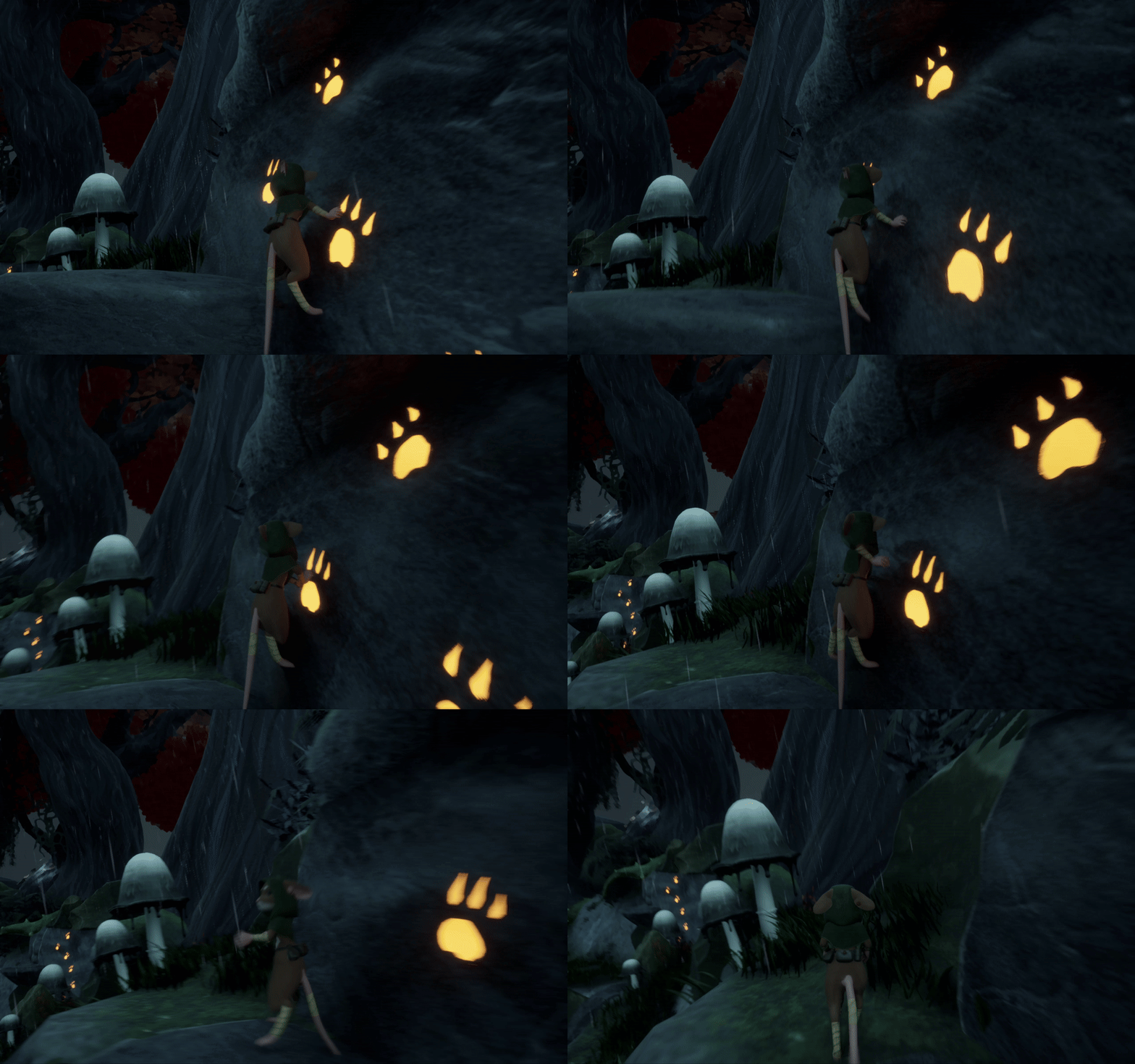
Horizontal Climbing Camera Behavior
【How could camera movement subtly support the player’s feelings instead of simply following input?】
✧
Designed movement-state–driven camera behaviors (idle, walk, sprint, crouch, climb) to reinforce fragility, pacing, and connection to nature.
· · ──── ·𖥸· ──── · ·
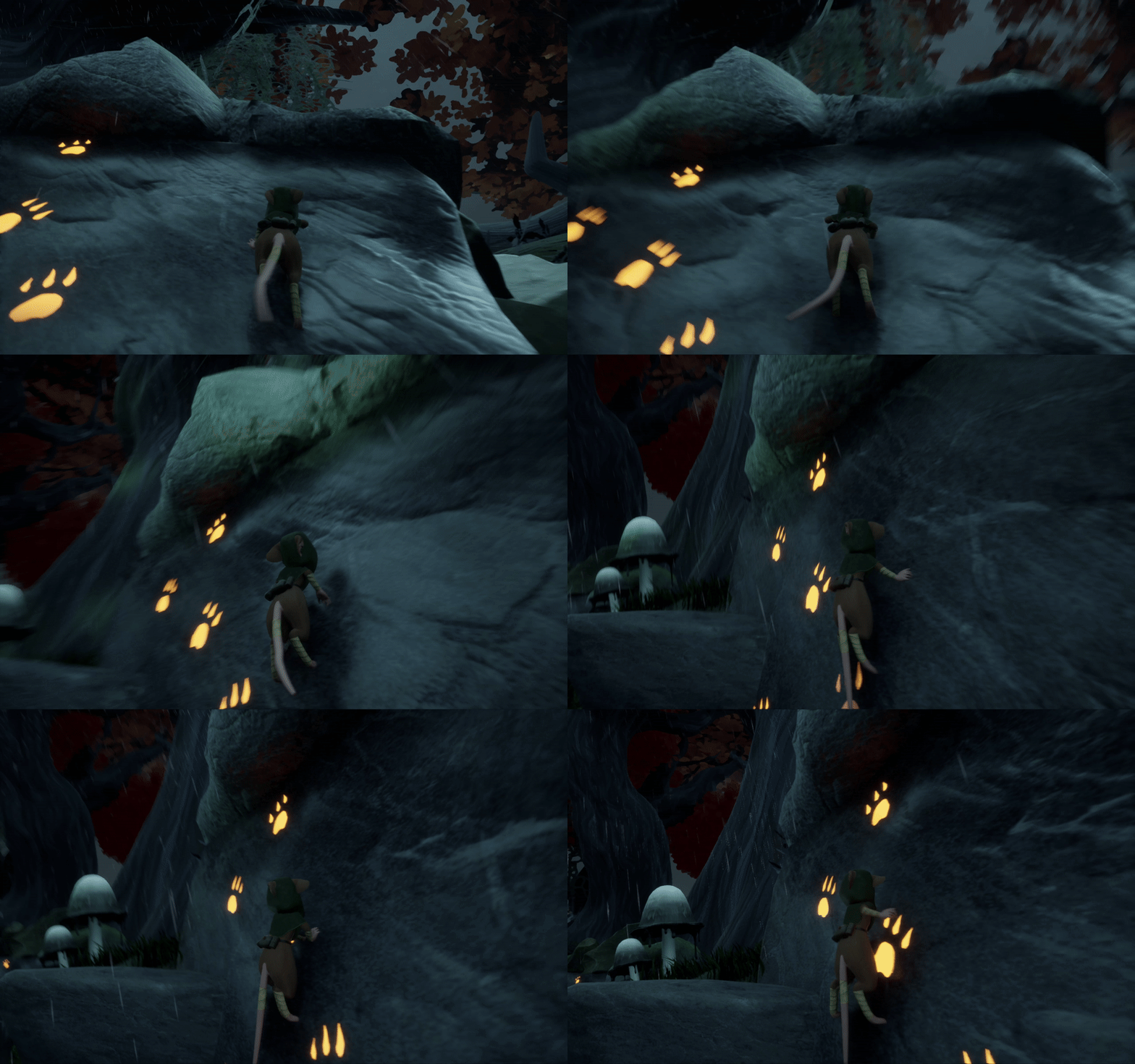
Seamless Camera Transition
【How could intensity be tuned to preserve readability while deepening player empathy?】
✧
Iterated on shake strength, duration, and offset through playtesting to balance clarity and immersion, refining the effect to remain readable while strengthening emotional connection and player empathy.
· · ──── ·𖥸· ──── · ·
Font Choice
I prioritized dyslexia accessibility when selecting Eyes of the Forest’s primary typeface, Chelsea Market, treating typography as a functional accessibility system rather than a purely aesthetic choice. Its rounded letterforms and generous spacing improve readability for players with dyslexia, while its hand-drawn quality preserves the game’s ominous, post-human forest tone without sacrificing clarity.
⟡
Process
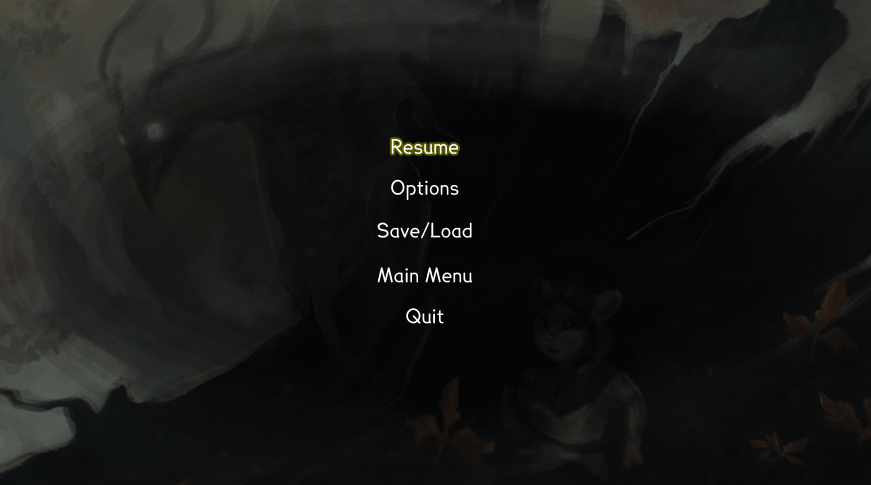
Early font choice
【How could typography function as an accessibility feature rather than a purely aesthetic choice?】
✧
Defined dyslexia-friendly readability as a core UX requirement, prioritizing clear letterforms and spacing to ensure accessibility was built into the UI foundation from the start.
· · ──── ·𖥸· ──── · ·
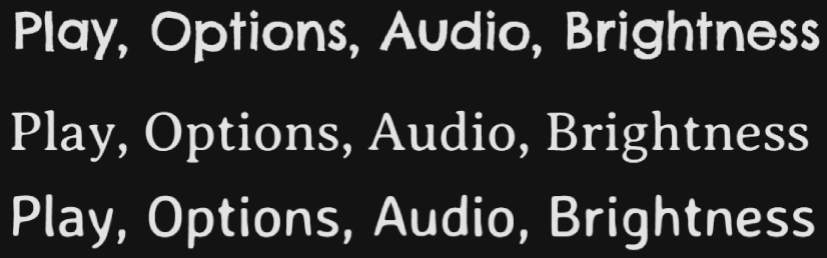
Refining and narrowing font options
【How could a font improve legibility without breaking the game’s tone?】
✧
Selected Chelsea Market for its rounded letterforms and open spacing, extensively playtesting readability across menus and in-game text under varying lighting, scale, and contrast conditions.
· · ──── ·𖥸· ──── · ·
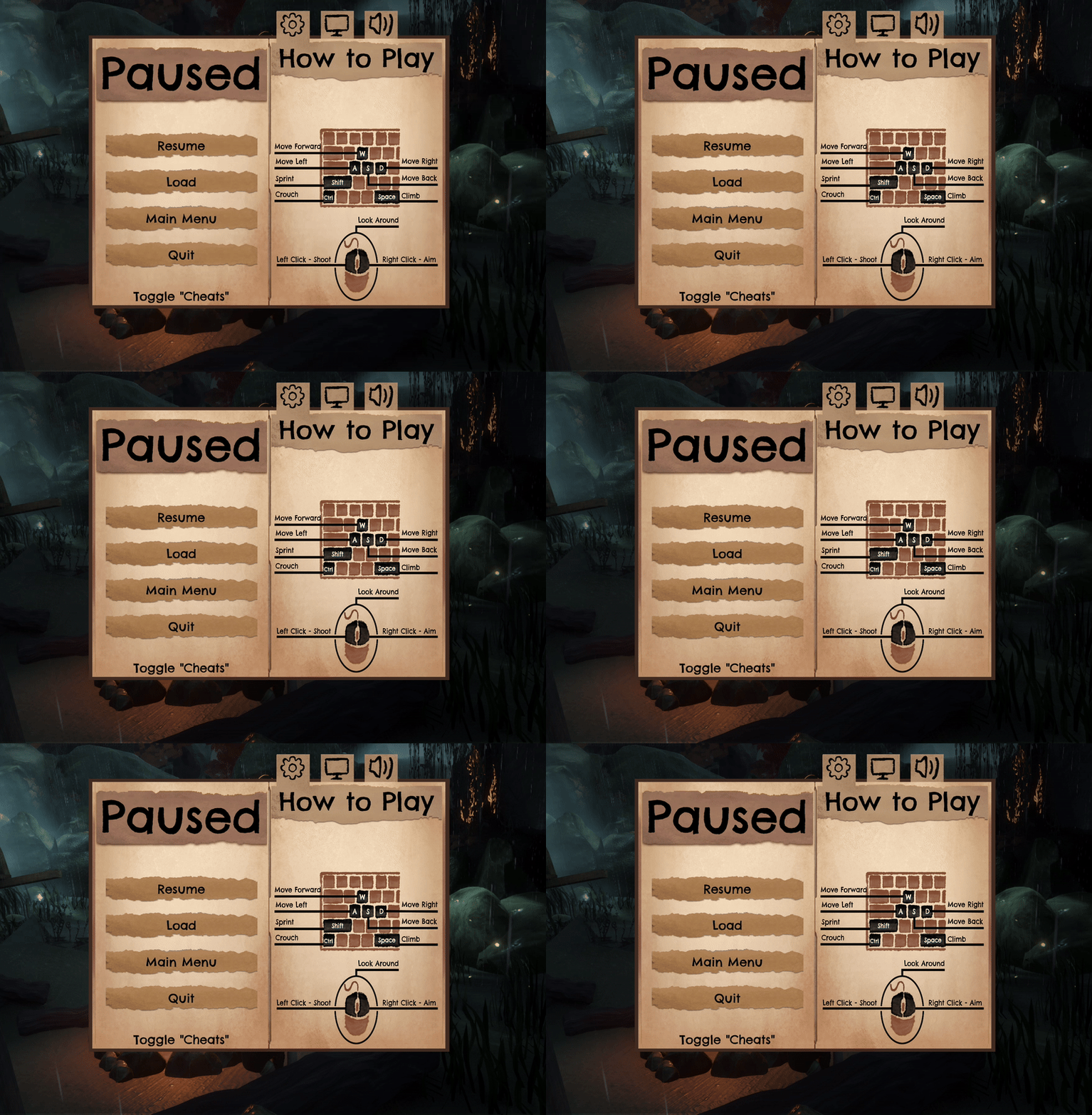
Aligned accessible font with atmospheric tone
【How could accessibility and atmosphere coexist without compromise?】
✧
Balanced warmth and unease by aligning the font’s hand-drawn characters with the game’s ominous, post-human forest, reinforcing narrative identity while maintaining readability and visual cohesion.
· · ──── ·𖥸· ──── · ·
Pause Menu
I designed the pause menu UX for Eyes of the Forest to preserve tension rather than provide comfort. By keeping Thistle’s heartbeat audible while paused, the system allowed players to stop without escaping danger. Even as visual effects were reduced for scope, the core intent remaine. Make pausing feel empathetic, suspenseful, and emotionally tied to Thistle’s experience.
⟡
Process
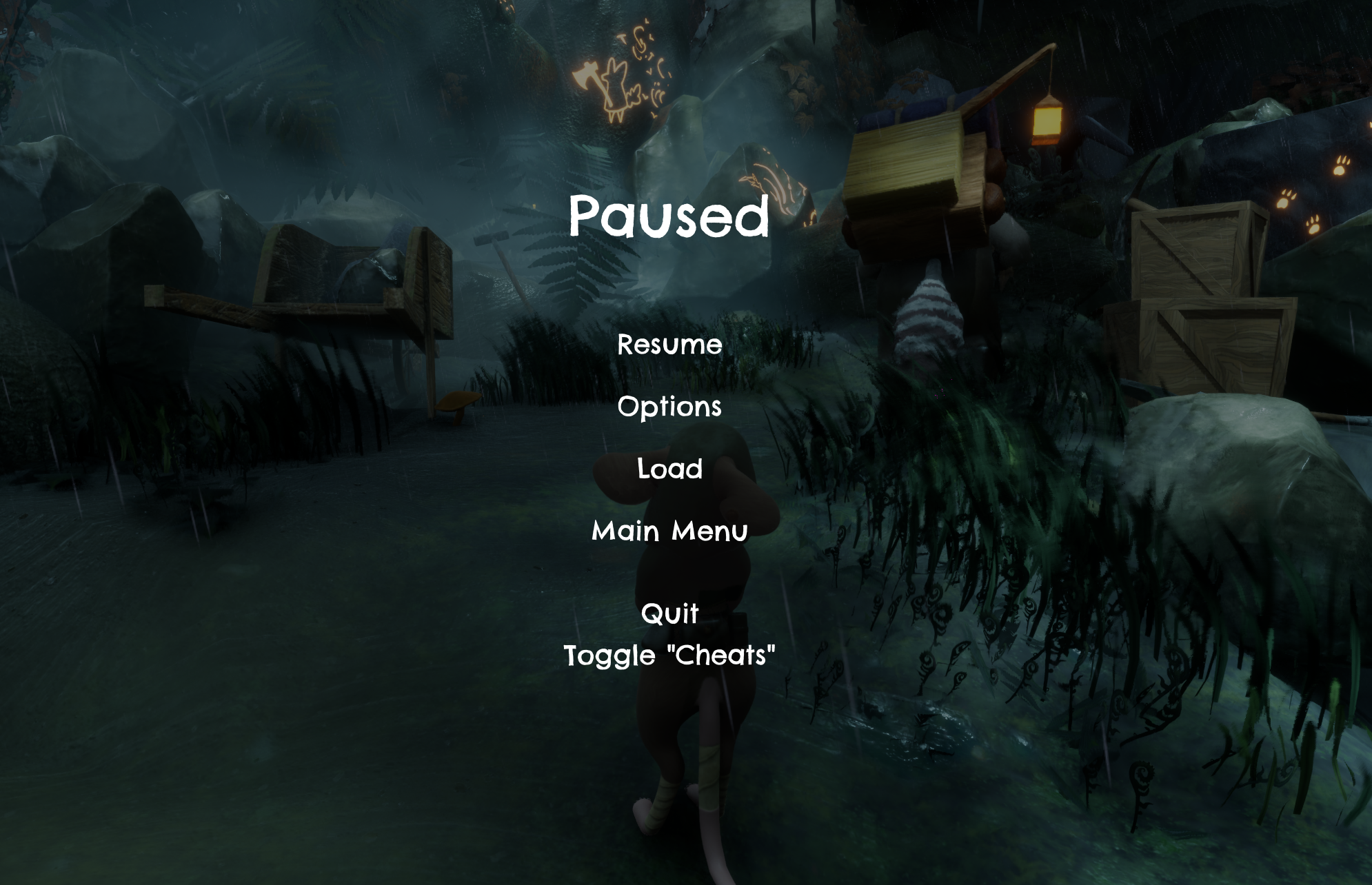
font aesthetic alignment testing
【How could pausing maintain emotional tension instead of offering relief?】
✧
Designed the pause menu to maintain emotional pacing by pausing gameplay systems while preserving diegetic feedback, specifically keeping Thistle’s heartbeat audible to reflect vulnerability and ongoing threat.
· · ──── ·𖥸· ──── · ·
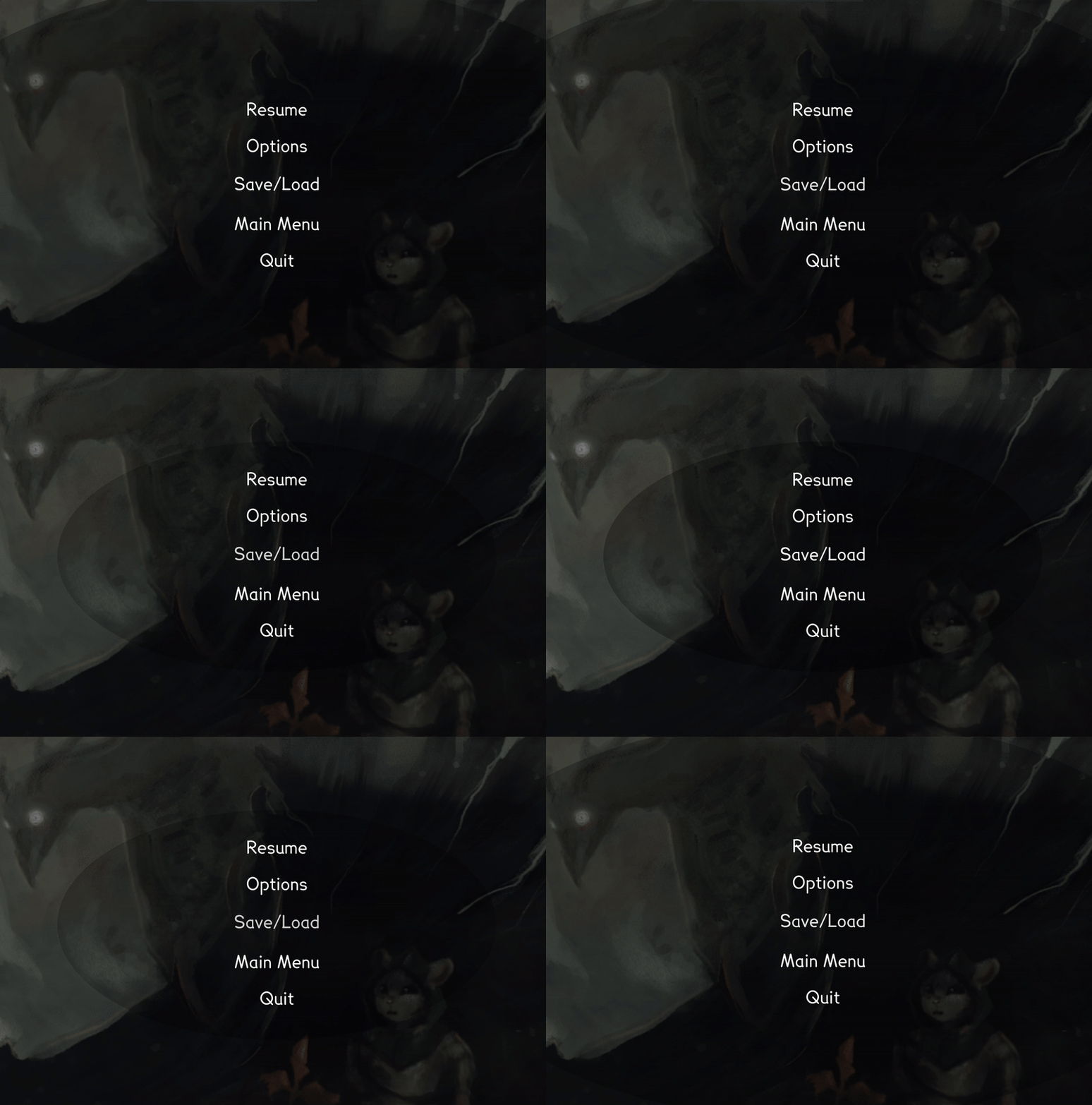
Figma UI animation prototyping
【How could audio and visual feedback communicate danger without overwhelming the player?】
✧
Prototyped the pause state using heartbeat audio and vignetting feedback. Iterated through playtesting to sustain tension while preserving menu clarity and ease of interaction.
· · ──── ·𖥸· ──── · ·
Final in engine result
【How could the pause menu retain emotional tension after audio effects were removed for scope?】
✧
Iterated based on team feedback and scope constraints, by removing elements while preserving the emotional core, ensuring pausing continued to mirror Thistle’s unease and maintain narrative tension even in stillness.
· · ──── ·𖥸· ──── · ·
Menu Prototyping
I led the UX design and implementation of the diegetic 3D menu system, built to immerse players in the game’s tone before gameplay begins. Collaborating with UI art and engineering, I replaced flat menus with a cinematic, environment-anchored interface driven by spatial layout and camera composition. Centered around a single tree, each menu state and transition delivers narrative context and emotion while seamlessly connecting story, gameplay, and user experience.
⟡
Process
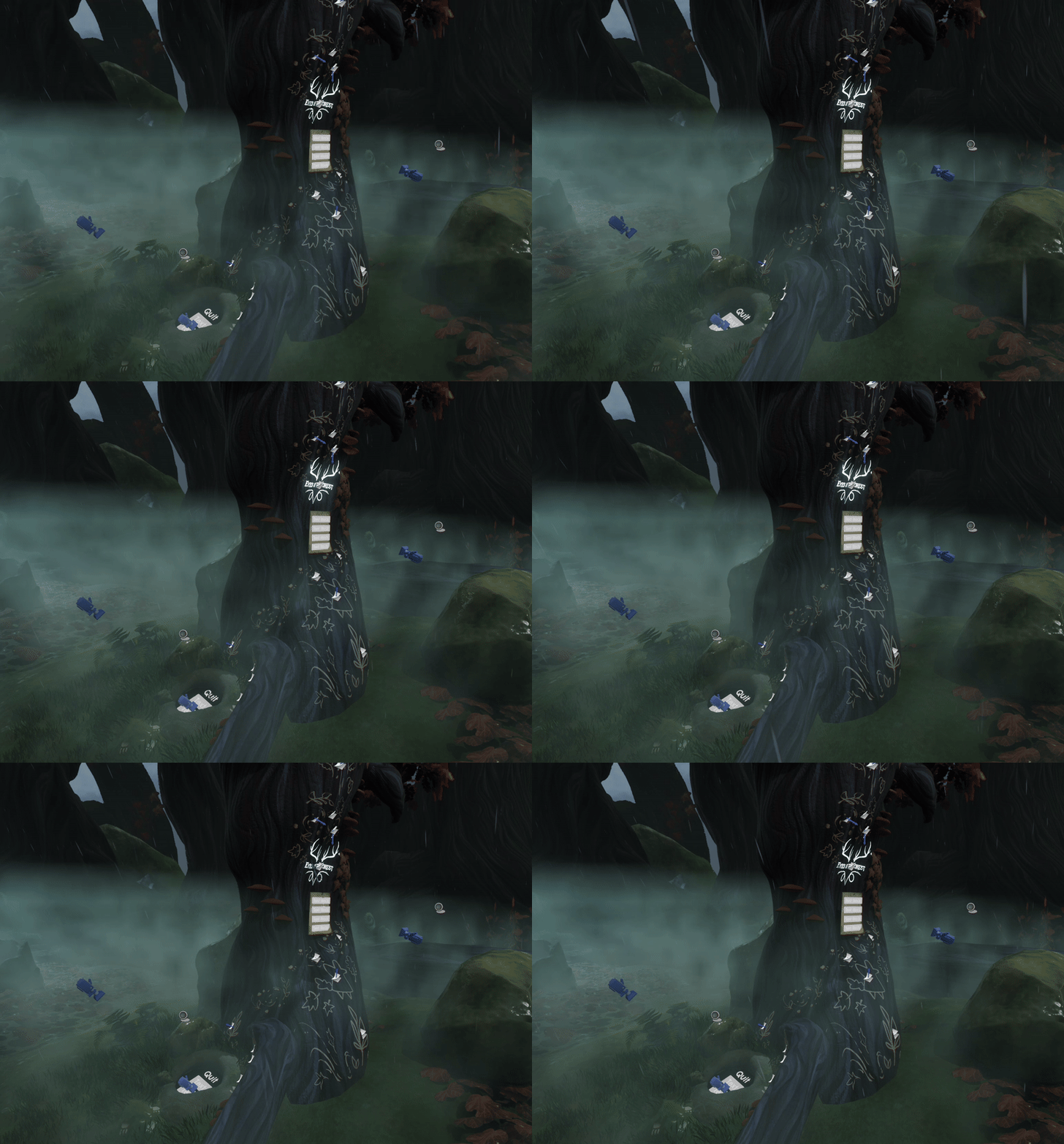
Unreal Camera Setup: Base
【How could a menu system immerse players in tone and narrative before gameplay even begins?】
✧
Defined the UX vision and flow for a diegetic 3D menu system that uses spatial layout, lighting, and camera framing to communicate emotion while maintaining clarity and approachability.
· · ──── ·𖥸· ──── · ·
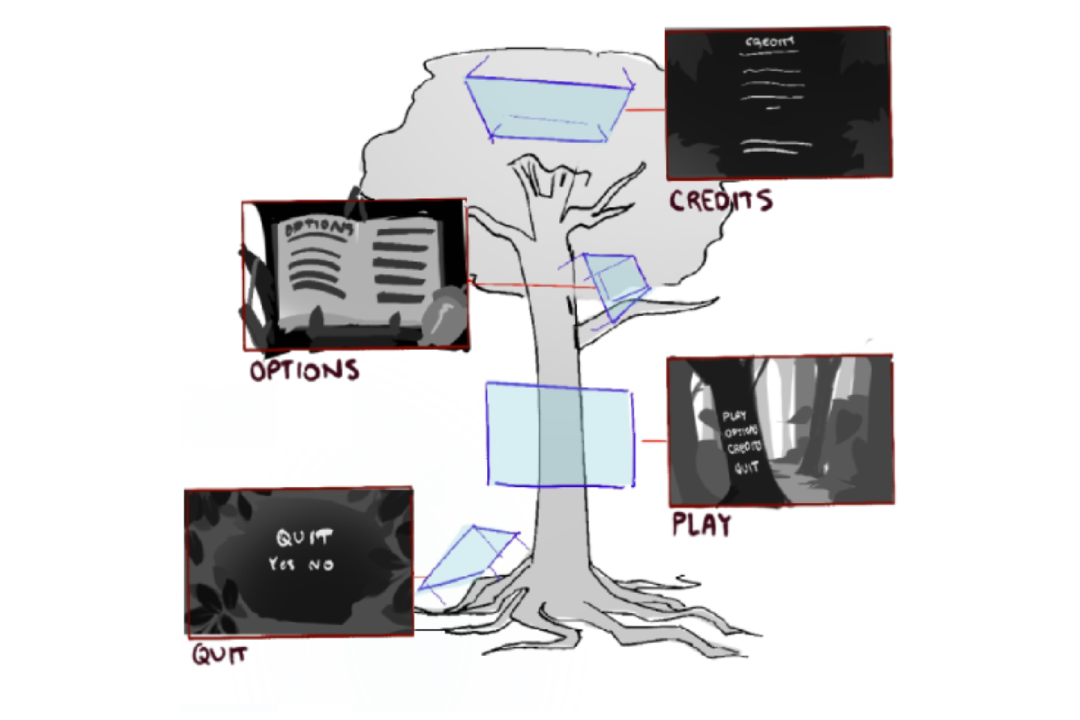
Conceptualized Menu Design
【How could an environment replace flat menus without confusing navigation or intent?】
✧
Collaborated with UI art and engineering to build a cinematic, environment-anchored interface, using camera composition and movement to transition between menu states (main, options, credits, exit) and create a cohesive, story-driven experience.
· · ──── ·𖥸· ──── · ·
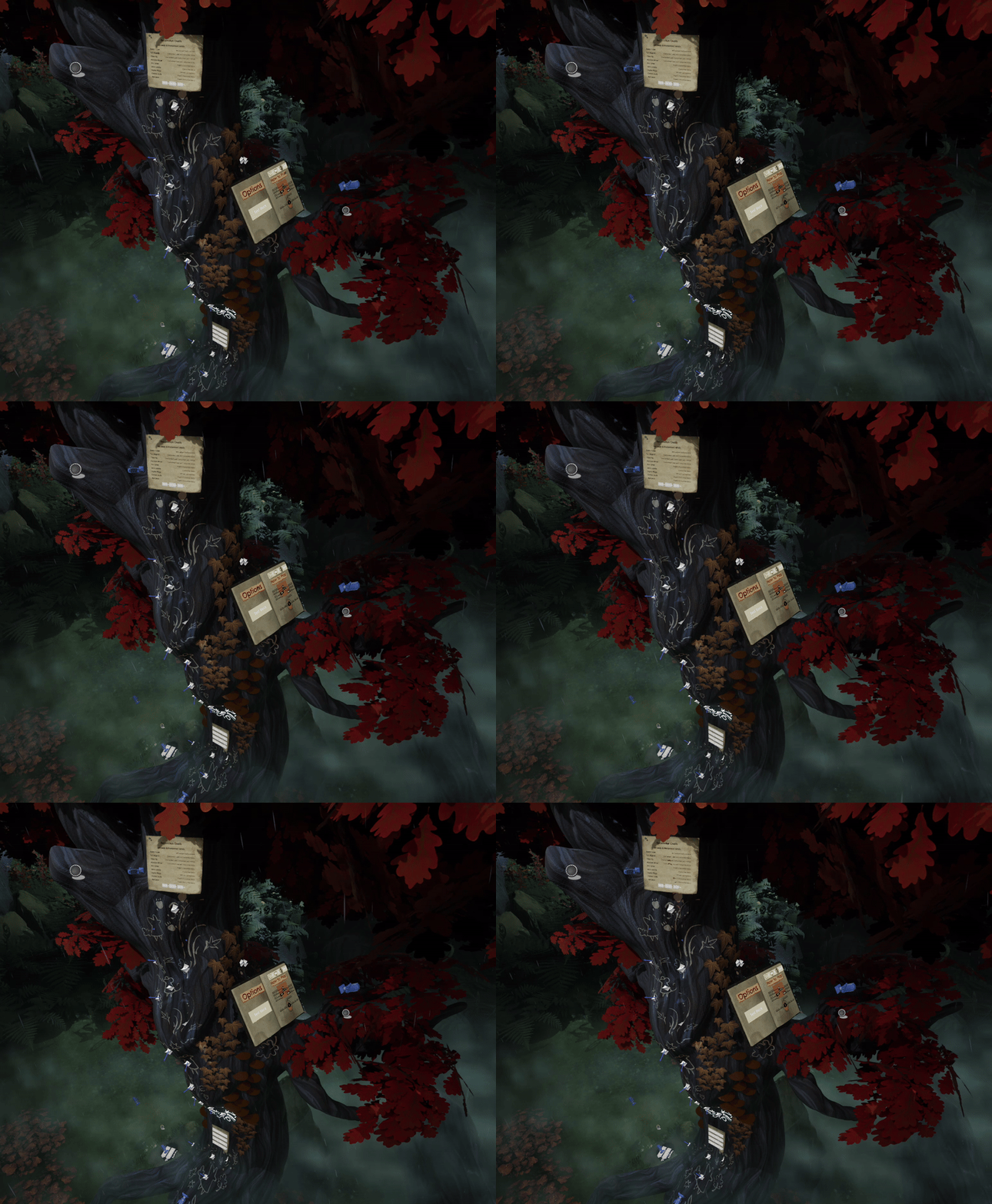
Unreal Camera Setup: Canopy
【How could immersion be balanced with usability, performance, and scope constraints?】
✧
Iterated on pacing, readability, and movement using playtest insights and team feedback, refining interactions to remain intuitive while preserving emotional impact and consistency with the world’s atmosphere.
· · ──── ·𖥸· ──── · ·
Menu Camera Framing
I led the UX design for Eyes of the Forest’s diegetic 3D menu system, shaping how players navigate and interpret information through spatial layout and camera movement. Each menu state; main, options, credits, and exit, was designed to communicate clarity, hierarchy, and emotional tone while maintaining intuitive, cinematic transitions grounded in the world.
⟡
Process
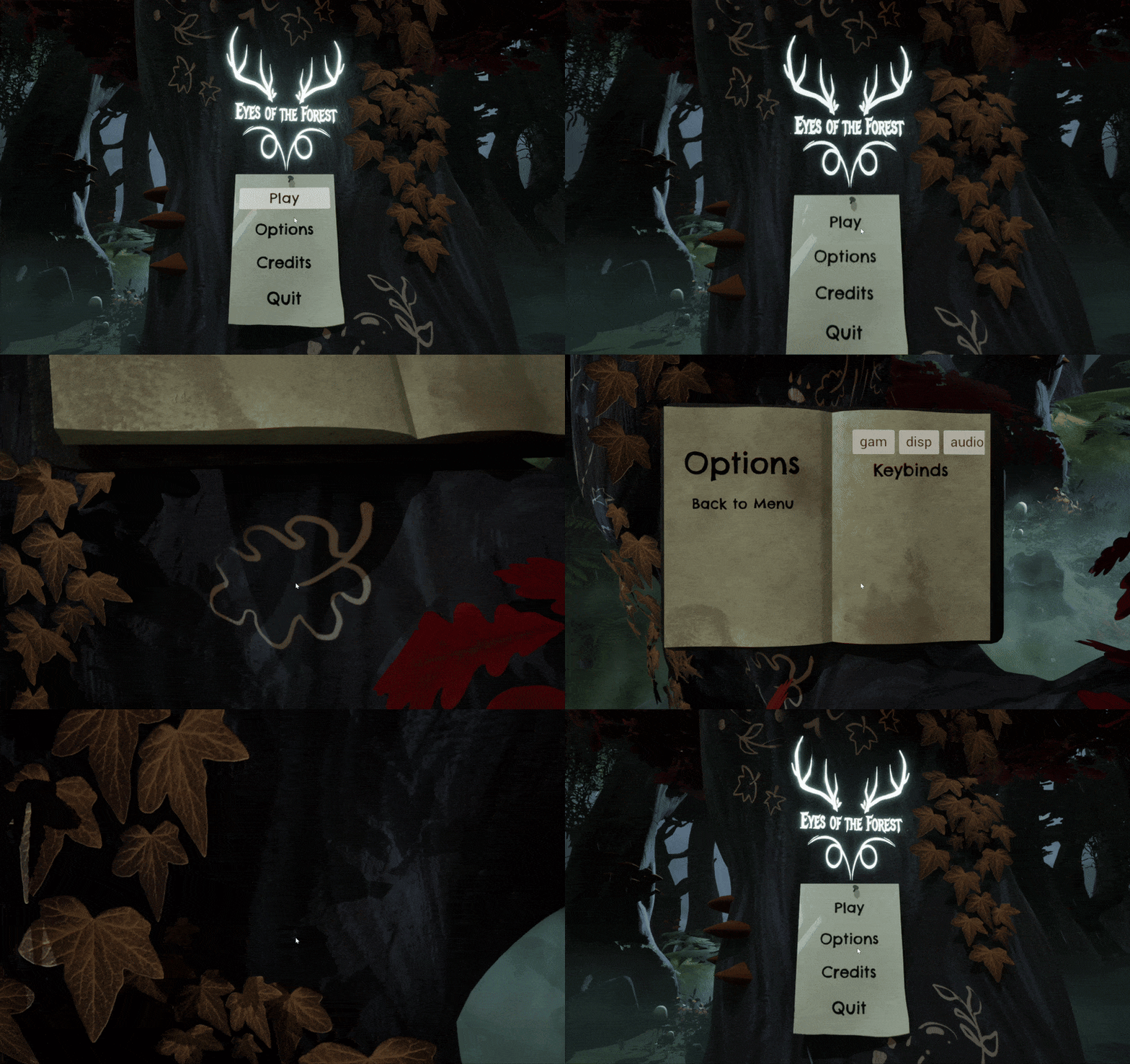
Main Menu To Options
【How could a menu feel immersive and narrative-driven instead of detached from the game world?】
✧
Designed a diegetic 3D menu direction that replaced flat UI with spatial composition and environmental storytelling, using camera framing and world-anchored elements to establish tone and immersion before gameplay begins.
· · ──── ·𖥸· ──── · ·
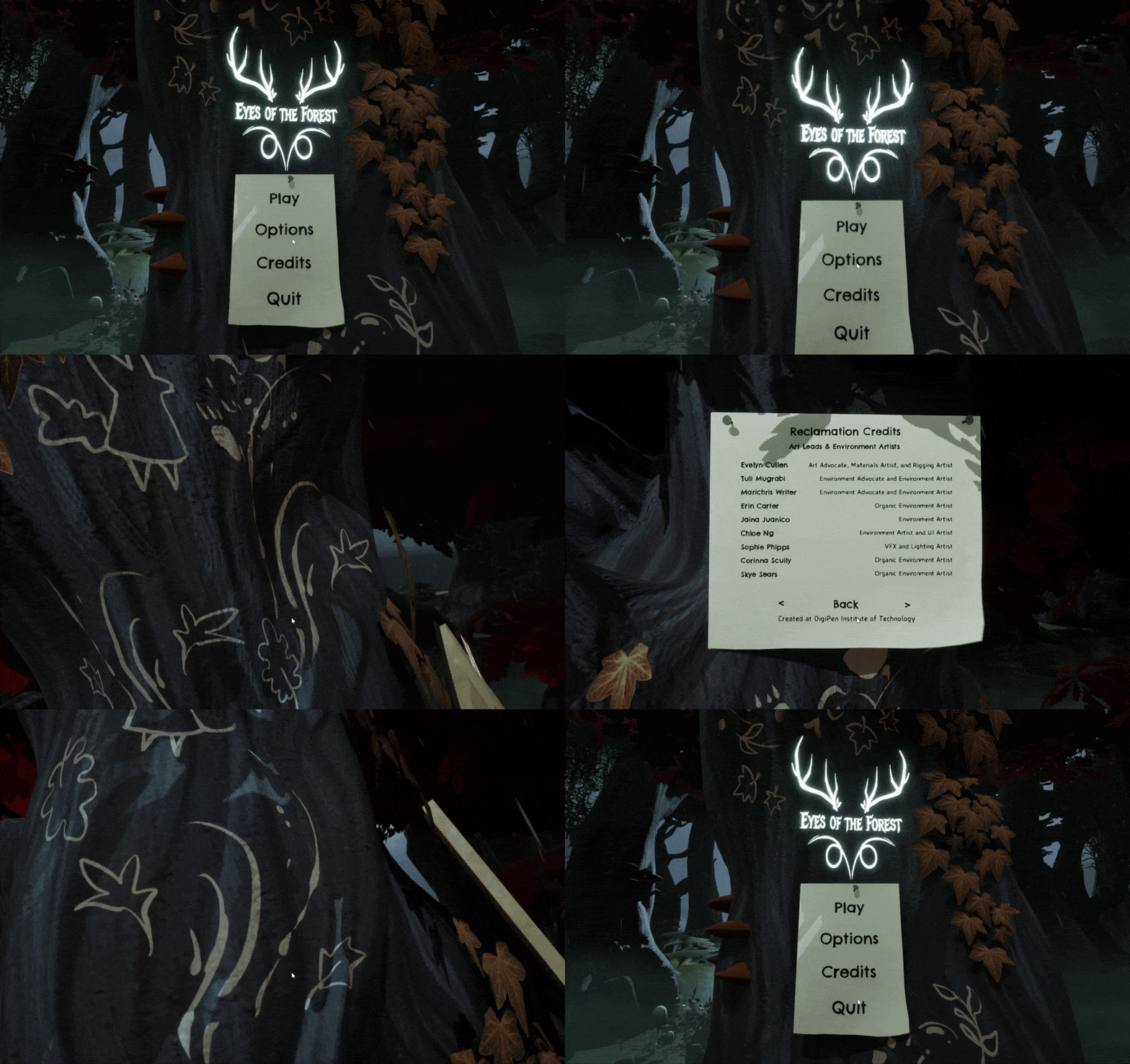
Main Menu To Credits
【How could players navigate menu states while maintaining clarity, hierarchy, and emotional intent?】
✧
Collaborated with art and engineering to design and prototype spatial navigation across menu states (main, options, credits, exit), using camera composition and layout to guide attention, reinforce hierarchy, and preserve player presence within the world.
· · ──── ·𖥸· ──── · ·
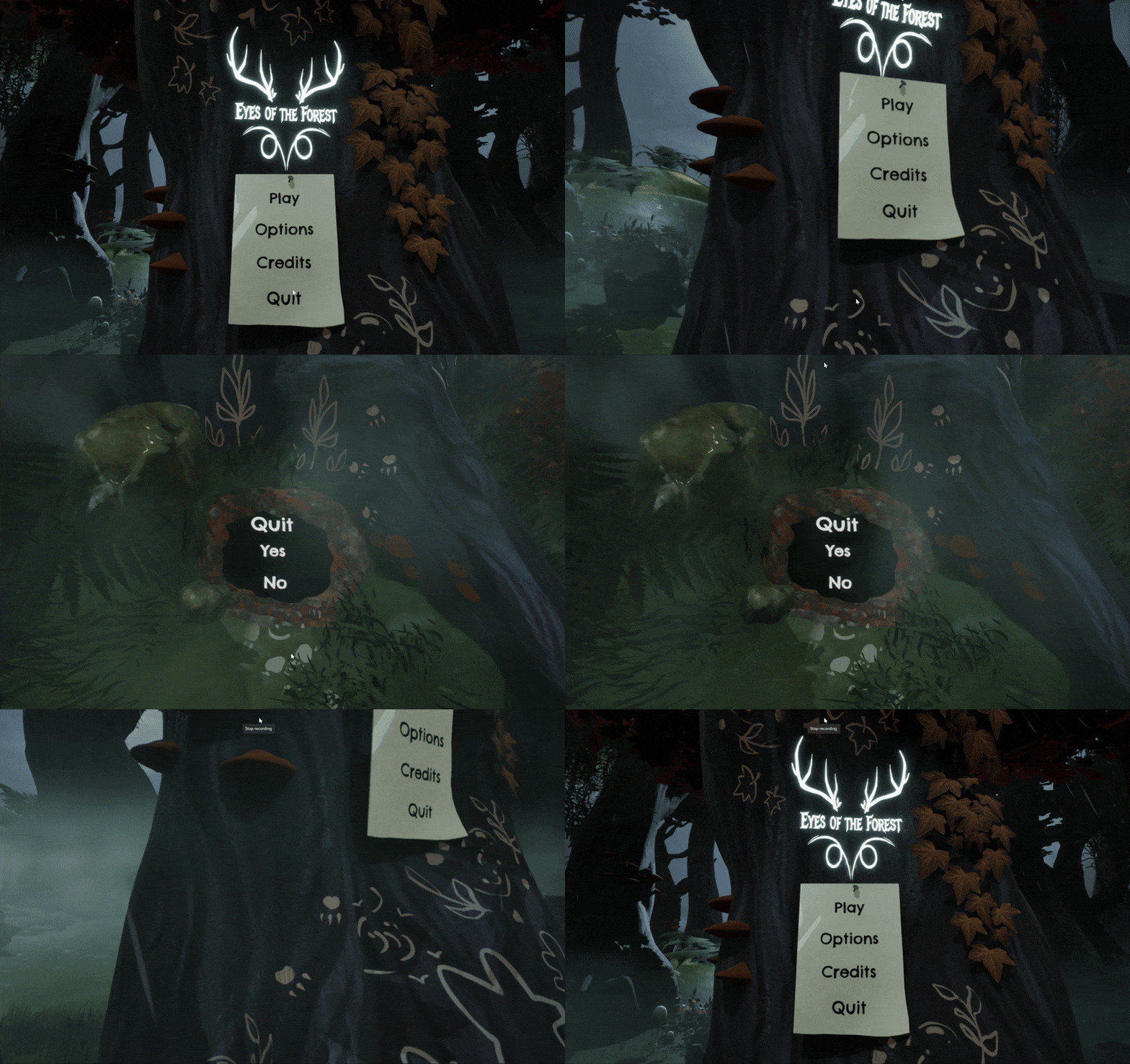
Main Menu To Quit
【How could cinematic transitions enhance immersion without sacrificing readability or usability?】
✧
Refined camera angles and depth variation through playtesting to balance cinematic presentation with usability, ensuring transitions remained smooth, and visually cohesive without sacrificing clarity or readability.
· · ──── ·𖥸· ──── · ·